


What Is A Caliper?
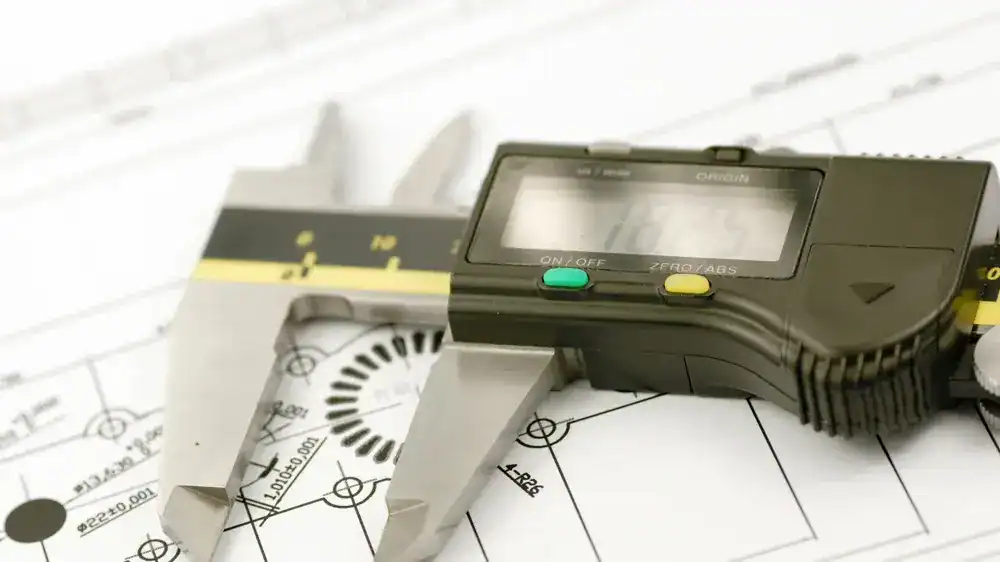
A caliper is a versatile precision measuring tool that is used by numerous industries to accurately measure outside, inside, depth, and step measurements of a part. A caliper is often considered as the “Swiss Army Knife” of dimensional measurement as it helps verify part specification and maintain quality standards. The caliper provides efficient, reliable, and precise measurements across a wide range of applications and industries.
In the precise and detail-driven world of manufacturing and quality inspection, there is an indispensable tool that 99.99% of quality programs have in their arsenal: the caliper. Manufacturing lines and quality programs can sometimes have hundreds of these tools on their lines taking measurements. They are one of the most important measuring tools and are often regarded as the Swiss Army knife of dimensional measurement. This instrument is used by machinists, inspectors, engineers, technicians, or even hobbyists to verify parts, maintain quality standards, and work with precision across a wide range of applications. These tools have the ability to accurately take outside, inside, depth, and step measurements all in one and serve as an essential ally in the pursuit of consistency, accuracy, and confidence in measurements.
In this article, we’ll explore the ins and outs of calipers, from their basic functionalities to advanced techniques. We’ll discuss the different types of calipers, their features, and provide practical tips and best practices for accurate measurements. So, if you’re ready to unlock the full potential of your caliper and elevate your dimensional measurement knowledge, let’s dive in.
Why Are Calipers Important?
As we mentioned earlier, a caliper is essentially a must-have tool if you are performing any type of dimensional measurement. That may be a bold statement to make, so why would we go out and say that? The reason why we make that statement is because a caliper provides many benefits to the user such as:
- Functionality: Calipers are designed to perform multiple measurements with a single, easy-to-use tool. This eliminates the need for the user to use several different, more specific, tools. This will keep their initial cost and cost of ownership as low as possible.
- Efficiency: A caliper will improve your efficiency as it allows the user to take accurate measurements quickly with minimal setup. The caliper is designed as a straightforward operation with clear readings, especially with digital calipers, will reduce measurement times and the likelihood of user errors. The efficiency of a caliper can be useful in an environment where time, consistency, and accuracy all matter.
- Precision: The importance of a caliper lies in its ability to measure critical dimensions accurately and consistently in order to meet parts specifications and quality standards. With the ability to capture outside, inside, depth, and step measurements, with a high level of precision, ensures that the user obtains dependable dimensional data across a wide range of parts and applications. This accuracy is essential for verifying tolerances, identifying issues, and making informed decisions in manufacturing, inspection, and quality control.
- Versatility: The versatility of a caliper is another benefit that the tool brings to the user. These tools can be used across a wide range of applications such as checking the thickness of materials, measuring bore and shaft diameters, inspecting step heights, and assessing component depths. This adaptability across various environments and industries makes the caliper an essential tool for professionals in a quality first setting and amateurs who are working on their own projects.
What Are The Common Types Of Calipers?
There are three primary types of calipers and they are the vernier, dial, and digital calipers. The main distinction between these three types of tools is how the measurement reading is displayed on the tool.
Each type of caliper has its own strengths and weakness. Nowadays, most people use digital caliper because they are more popular and have more advantages such as an easier to read display when performing measurements. The good things about digital calipers are usually more important than the disadvantages.
While vernier, dial, and digital calipers are the three main types of calipers, there are specialty types of calipers that are available for users when performing specific measurements. Some common types of specialty calipers are the following:
- Knife Edge
- Gear Tool
- Inside Groove
- Tube Thickness
- Offset
All these types of calipers also come in a variety of different sizes for applications that may require longer measurements. The most common types of calipers are 0-6″ but some calipers can be as big as 24″ or more!
For now we just want to provide you a brief overview of the common types of caliper. We will be diving into the differences between vernier, dial, and digital calipers as well as specialty calipers and different caliper sizes in later articles. You will learn all about the differences of each and the pros and cons relative to each other later in this series.
Introduction To The Definitive Guide To Calipers
While this information above does a great job covering the basic understanding of what a caliper is, there are still a lot of questions that need to be answered in becoming an expert in using calipers:
- What is a Caliper?
- What is the History of the Caliper?
- What Does a Caliper Measure?
- What are the Types of Calipers?
- What are Some Special Kinds of Calipers?
- What are the Different Caliper Sizes?
- What is the Anatomy of a Caliper?
- How Accurate is Your Caliper and Why Does that Matter?
- What Features and Accessories Should I Look for in a Caliper?
- What do I Consider When Buying a Caliper?
- How do I Use a Caliper?
- What are the Common Uses of a Caliper?
- How do I Properly Maintain a Caliper?
- How do I Calibrate a Caliper?
- What is the Future of Calipers?
We’ll spend time on each of these areas throughout the rest of this guide, but we wanted to introduce it here because it offers a look at how we structured the guide as a whole.
What Is The History Of The Caliper?
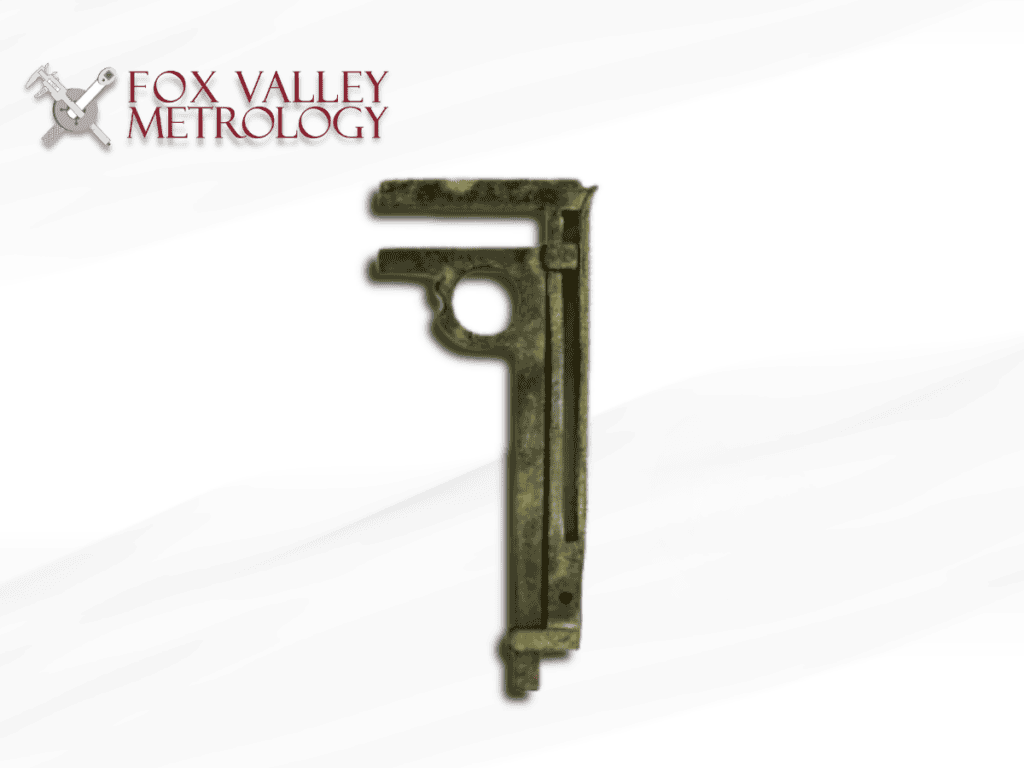
Calipers have been used as measuring tool for thousands of years, with the earliest versions and models appearing in ancient Egyptian, Greek, and Roman civilizations. These early models were first discovered in a 6th century BC Greek shipwreck where these designs featured moveable jaws similar to modern calipers.
One of the biggest advancements in the design of the caliper came in the 17th century by a man by the name of Pierre Vernier. If that name sounds familiar at all for those who have used a caliper, it is because he was the inventor of the Vernier Scale, which significantly improved measurement accuracy and the way measurements are taken with a caliper.
In the 20th century, the digital caliper transformed the way calipers measure by providing faster, easier, and more reliable readings. These features made them the most widely used and preferred caliper type today.
What Does A Caliper Measure?
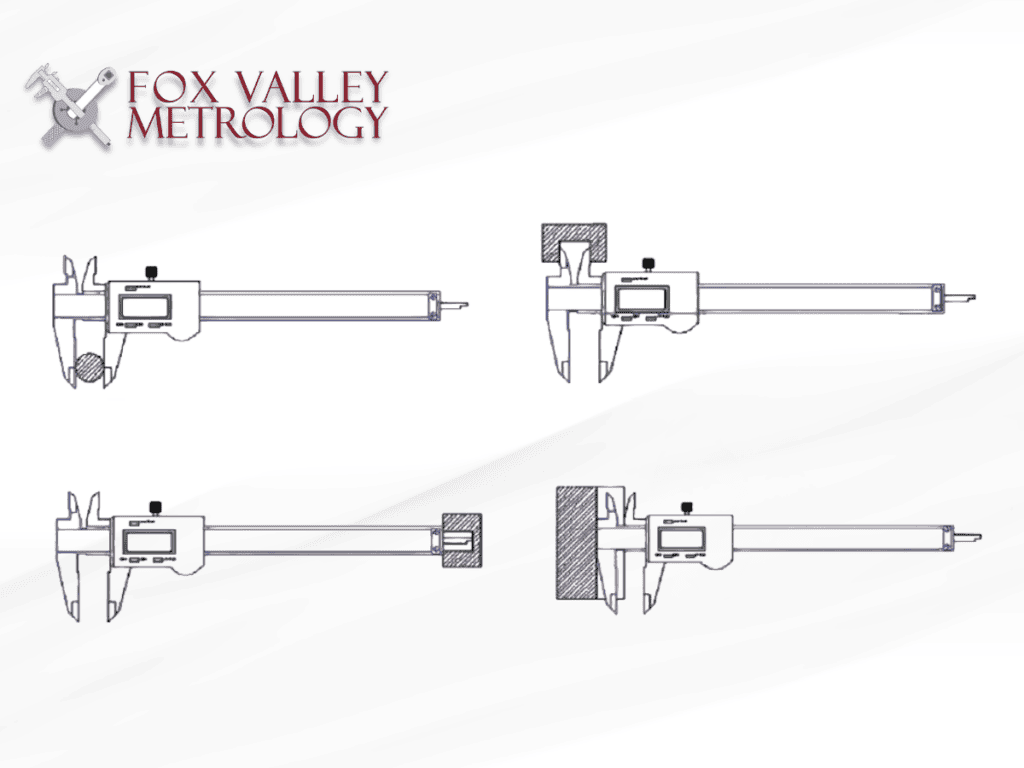
A caliper is a versatile precision tool that is capable of measuring outside, inside, depth and steps of a part. Outside measurements verify features such as length, width, thickness, and outside diameters. Inside measurements focus on measurements that have internal features like holes, slots, and grooves. Depth measurements will determine how far a feature extends below a surface. Step measurements compare the differences between surfaces to confirm proper alignment of parts. The reason why caliper shows up in almost every manufacturing and quality control environment is for the kind of measurements it can take with one tool.
What Are The Types Of Calipers?
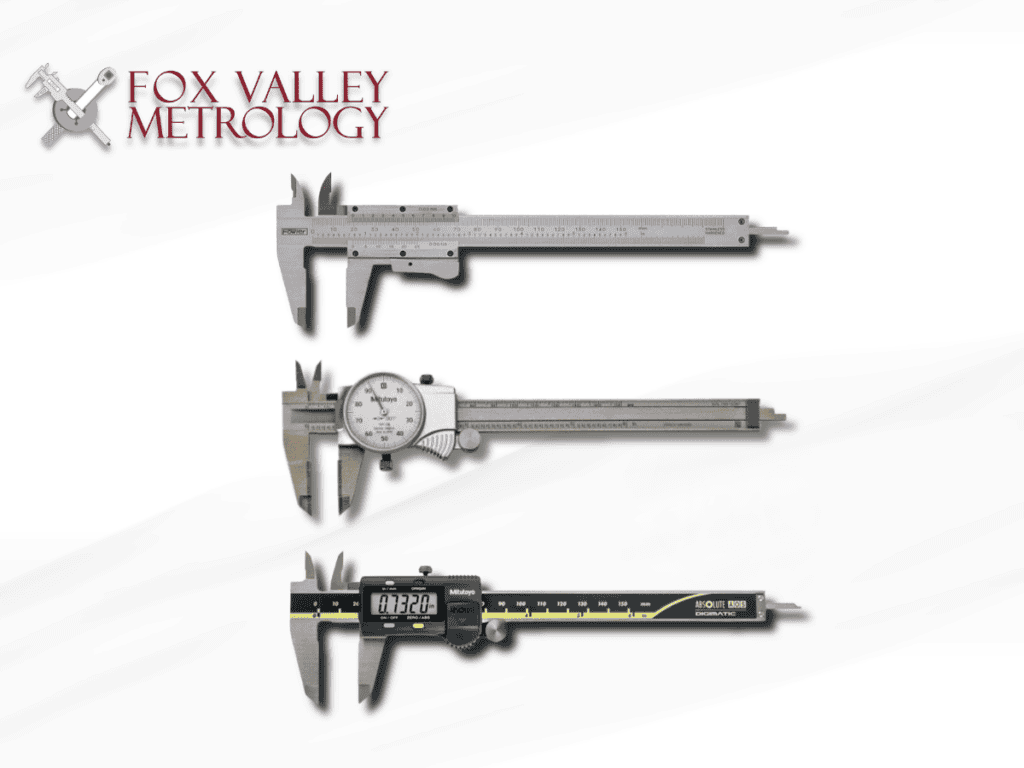
There are three primary types of calipers: vernier, dial, and digital. Each type of caliper offers different levels of accuracy, ease of use, readability, and durability.
Vernier calipers use a manual scale system called the Vernier Scale, and are valued for their durability, low cost, and independence from batteries, although they require more skill to read accurately.
Dial calipers use a mechanical dial to provide a step up from trying to read a vernier caliper while maintaining a durable and battery-free frame. However, these types of calipers offer fewer features and slightly less accuracy that digital models due to their readouts.
Digital calipers provide the highest accuracy and ease of use. These calipers feature a clear digital display, unit conversion, and advanced function such as data outputs and measurement holds. While digital calipers are more versatile, they are typically more expensive than its counterparts. They also depend on batteries which can throw off measurements once those batteries start to deplete. Even with these disadvantages to the digital caliper, it still remains to be the go to choice for machinists and others alike.
In addition to the universal types of calipers that we just mentioned, there are special types of calipers that are designed to perform specific measurements with a greater result in precision and efficiency. Some examples of these calipers are knife edge calipers for hard-to-reach internal diameters, gear tooth calipers for measuring gear thickness, and inside groove calipers for recessed features.
What Are The Different Caliper Sizes?
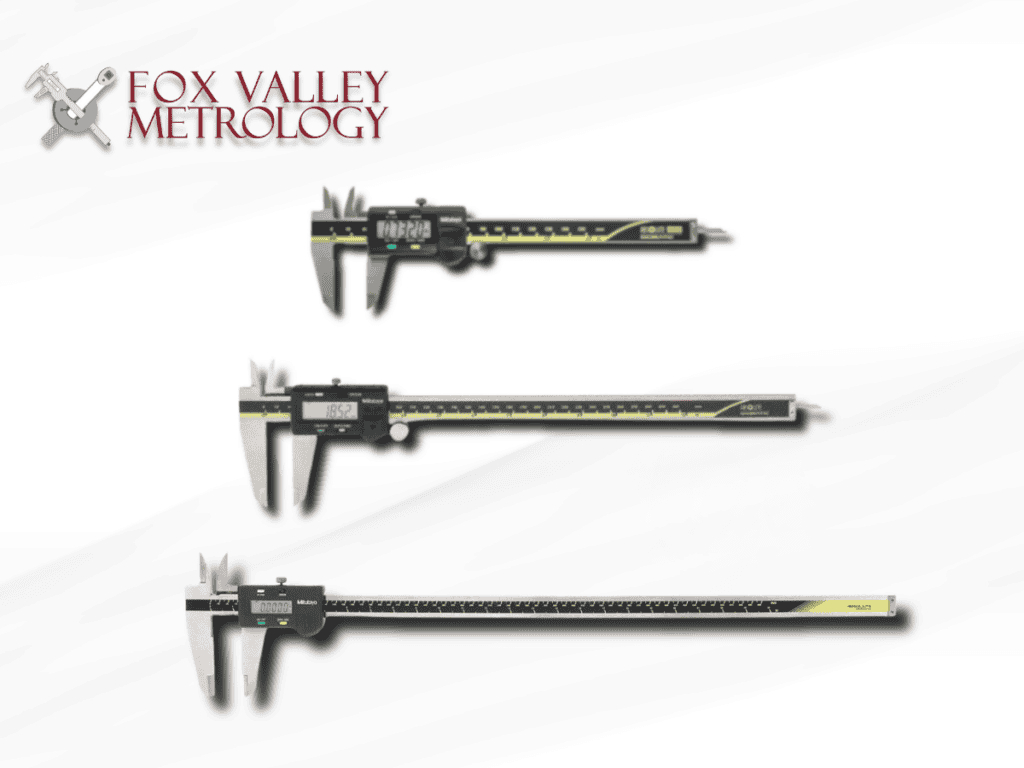
A caliper not only comes in different shapes, but it comes in different sizes as well. A caliper is available in a wide range of sizes, from the commonly used 0-6 inch models to large industrial calipers that are capable of measuring several feet. Of course, these different sizes all come with their pros and cons.
Smaller calipers are lighter, easier to handle, and generally offer higher precision which makes them ideal for everyday and detail oriented measurement tasks and uses. Medium sized calipers provide a balance between range and usability that allow measurements on both small and mid-sized parts. Large calipers are typically designed and used for industrial applications where oversized components must be measured. These calipers are heavier, more expense, and typically less precise. Choosing the right caliper size all depends on the measurements you are taking, the level of precision that is needed, and practical considerations such as workspace and budget.
What Is The Anatomy Of A Caliper?
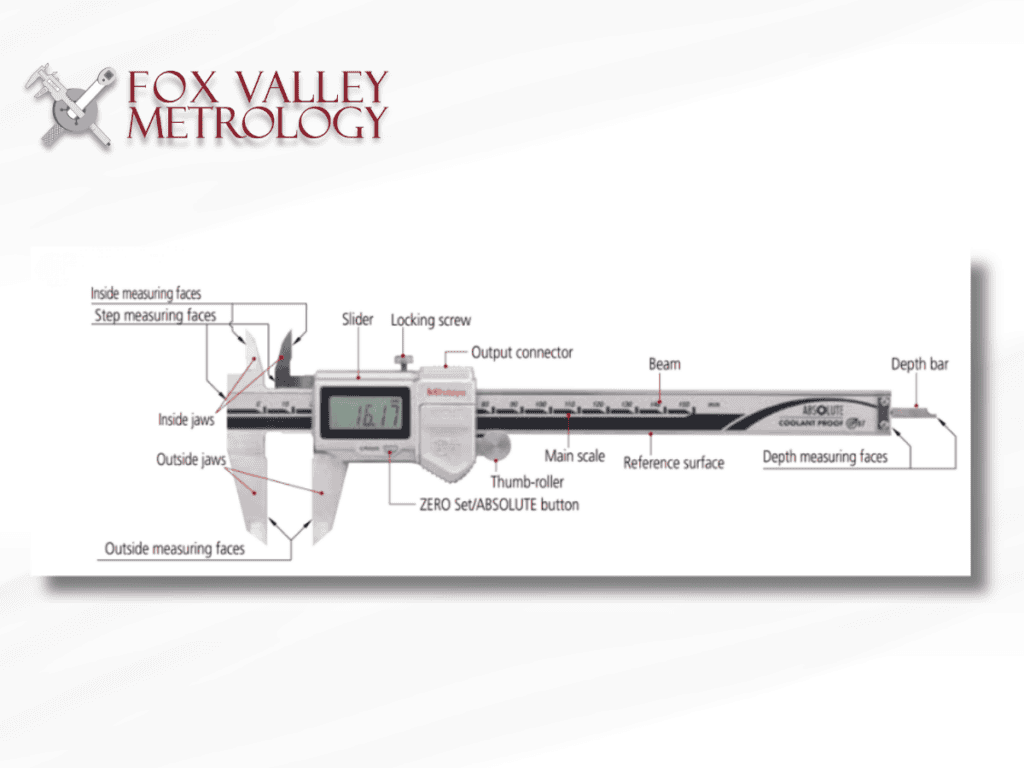
All calipers, whether you are using a vernier, dial, digital, or even a specialized caliper all share a fairly similar structure. The common structure of a caliper is made up of a beam, scale, jaws, and adjustment components that work together to produce an accurate measurement.
The jaws of a caliper are used to measure external and internal dimensions, while features like the depth probe allow the user to take depth measurements. Components such as the slider, thumb roller, and locking screw help control movement of the caliper and maintain consistent readings.
The main differences between a vernier, dial, and digital calipers has to do with how the measurements are displayed on the caliper. The vernier caliper has the Vernier Scale, a dial caliper has a mechanical dial, and a digital caliper has a digital display screen. While the readouts all may be different, the structure of these calipers all remain the same. Understanding and getting familiar with each part of the caliper will help improve your measurement accuracy, tool selection, and how to properly maintain the tool.
How Accurate Is Your Caliper And Why Does That Matter?
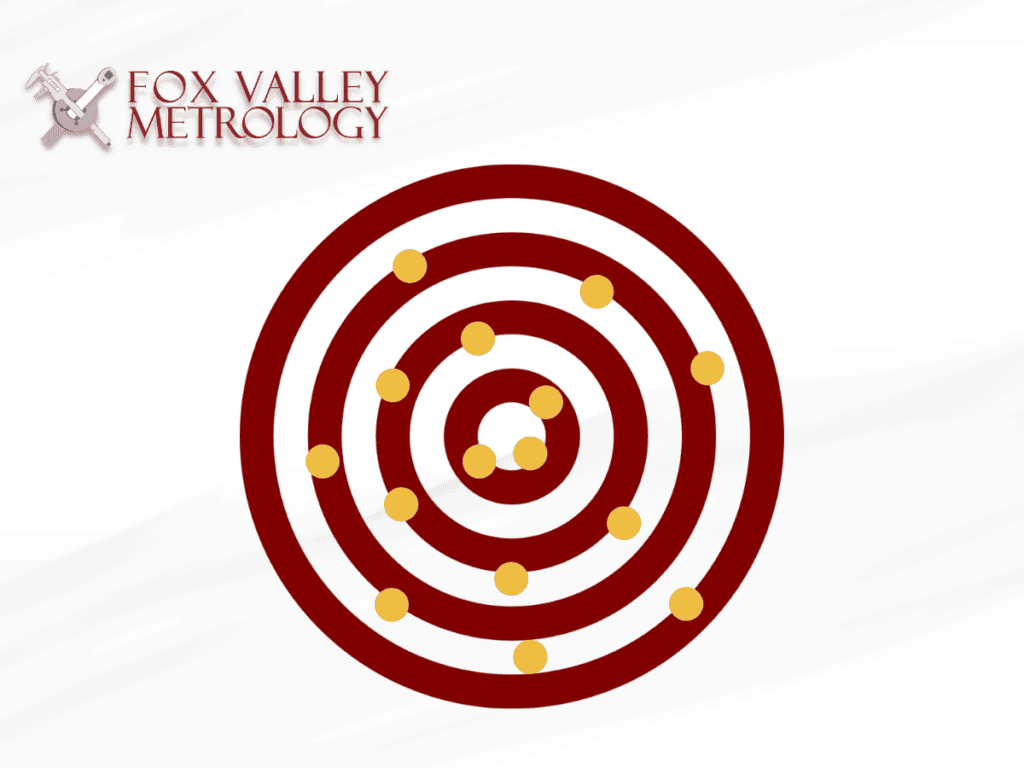
How do you know if you are getting the right measurements with your caliper? Well, that all depends on the accuracy of your caliper. The accuracy of your caliper describes how close a measured value is to the true size of a part that is being measured. The accuracy of your caliper directly affects the quality, fit, and reliability of the part. Most standard calipers offer an accuracy around ±0.001 in (±0.02 mm). What this means is that the measurement you see on the display of your caliper could be off by up to one thousandth of an inch (or two hundredths of a millimeter) from the part’s true size. In practical terms, if a part is exactly 1.000 inches wide, a caliper with an accuracy of ±0.001 inches might show a reading anywhere between 0.999 inches and 1.001 inches, even when it is used correctly.
Choosing the right caliper all depends on the required tolerance and test uncertainty ratio. This will ensure that the tool is sufficiently more accurate than the measurement being verified. Factors such as tool wear, operator use, environmental conditions, and regular calibration all play a role whether a caliper will continue to give you reliable, consistent, and accurate measurements over time.
What Features And Accessories Should I Look For In A Caliper?
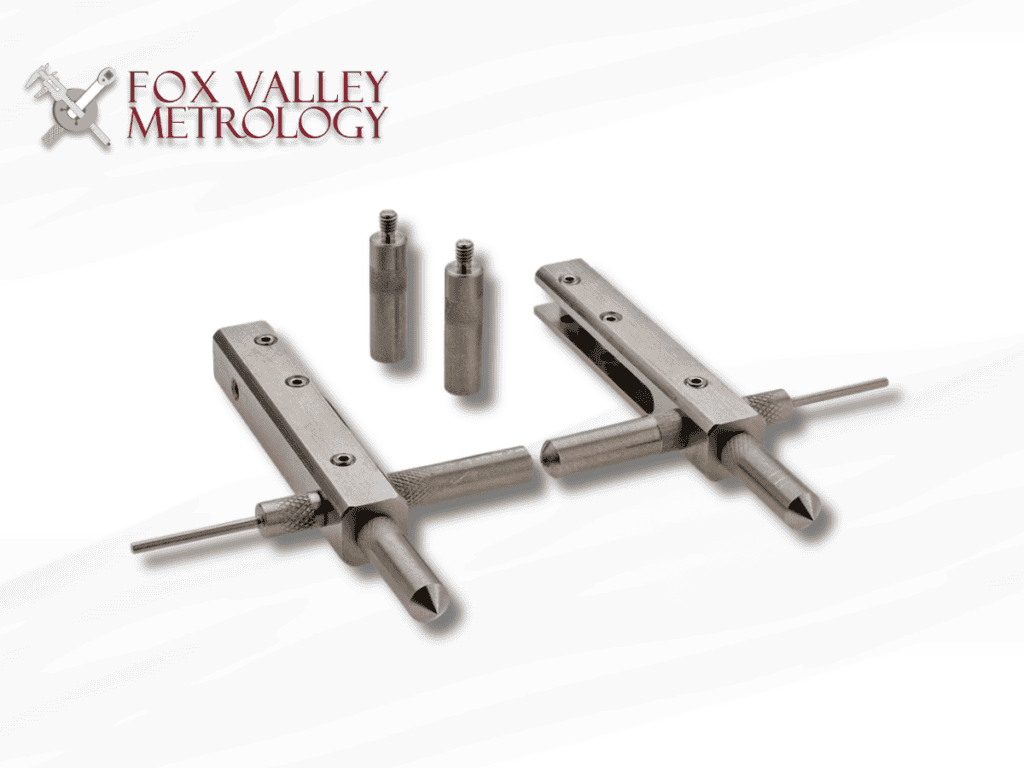
A modern caliper offers a range of features and accessories that goes beyond the basic measurements and can significantly impact the durability, ease of use, and efficiency of you caliper.
IP ratings will indicate how well your caliper is protected against dust, water, and other debris. The higher the IP rating, the more it will be protected. This makes IP rating an important decision and consideration if your caliper will be used in harsh environments. SPC and wireless SPC capabilities allow measurement data to be collected and transferred automatically. This increases efficiency and reduces readout errors by eliminating the process of manually entering your measurements. You can also add on jaw attachments to your caliper for measurements that you may not be able to take with the standard jaws of a caliper. Features on a digital caliper can include a hold (freeze) function and unit switching/conversion which makes measurements easier to capture, record, and interpret.
Selecting the right combination of features along with the type of caliper itself will ensure a caliper performs reliability in its intended environment all while supporting accurate and efficient measurements for your quality program.
What Do I Consider When Buying A Caliper?
Buying the right caliper all comes down to one thing: the types of measurements you will be performing. By understanding the types of measurements you will need to be taking you will then be able to select the caliper that is designed to handle those measurements accurately.
There are still some key considerations to take in while choosing your caliper. Some of these considerations include accuracy, resolution, range, and that the caliper is capable of reliably measuring within the tolerances of the application. Material, construction quality, and environmental durability also play a big role in the consideration of what caliper you will be purchasing. Other factors to take into account when purchasing a caliper can include the display type and data output options which can affect the ease of use, readability, and efficiency while using the caliper. The brand of your caliper also plays a role when considering what caliper you will buy. Some brands are more expensive, reliable, durable, and have better customer support than others.
How Do I Use A Caliper?
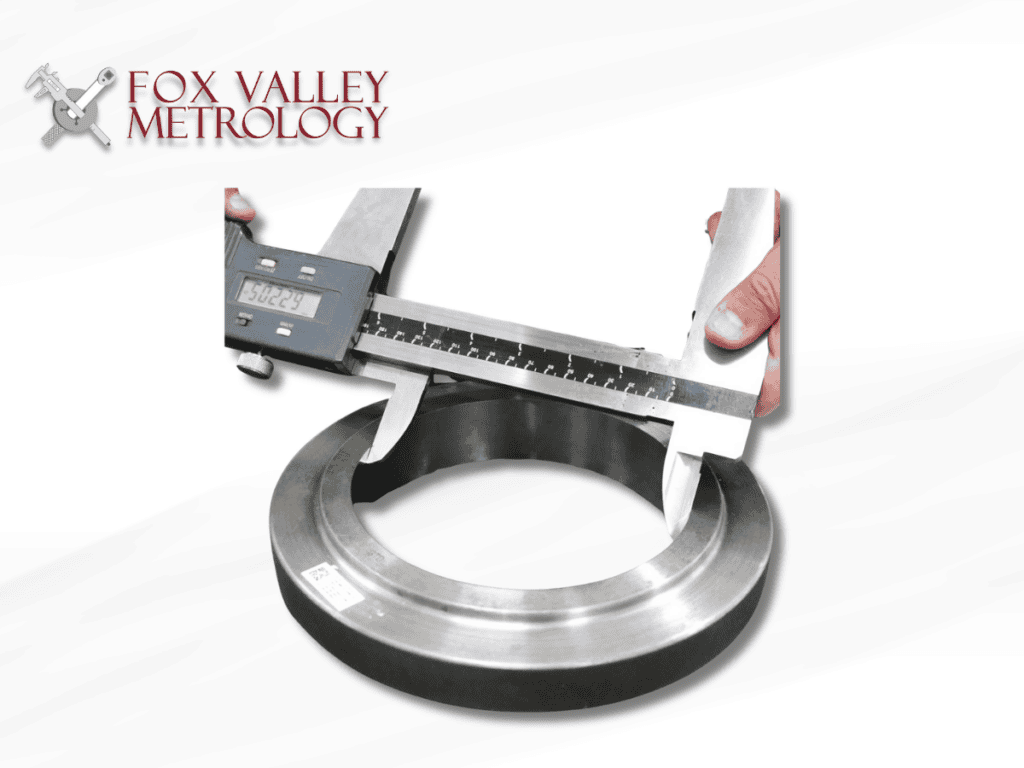
Your caliper is able to take a number of different measurements. The question then arises: How do I actual perform these measurements to ensure I am getting the correct readings? One of the biggest factors that comes into play when performing a measurement with a caliper is the proper technique.
The correct use of a caliper all starts with identifying the measurement you will be taking, whether that is an outside, inside, depth, or step measurement. From there you will need to clean your caliper to make sure it is free from debris that could affect the accuracy of your measurement. The next step in taking a measurement with a caliper is to unlock the jaws and to zero the caliper to make sure you are starting from square one. Then you will take the measurement with the jaws of the caliper (or depth probe if taking a depth measurement) making sure they are square to part that is being measured and that consistent and gentle contact force is being applied. Common errors can occur while performing measurements with a caliper such as misalignment, improper force, a parallax error, or damaged jaws can all lead to inaccurate results.
With consistent and proper handling, setup, and attention to detail, your caliper will provide reliable and repeatable measurements across a wide range of applications.
What Are The Common Uses Of A Caliper?
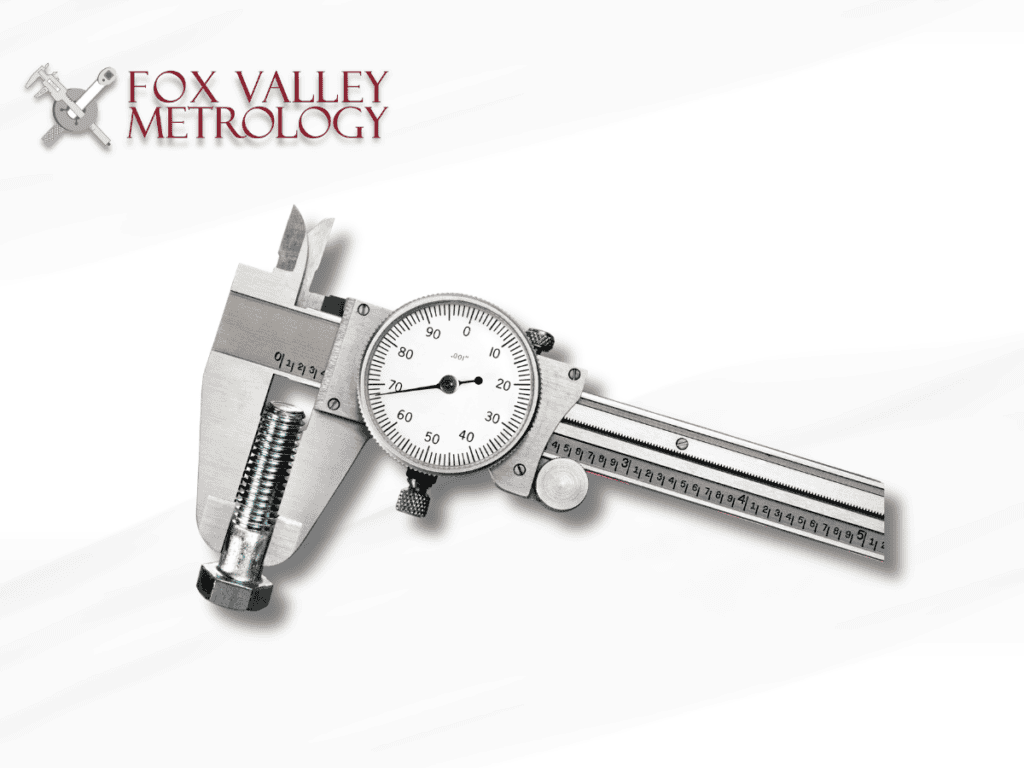
The caliper is widely used across professional industries where quality is a top priority. Some of the industries where you will find calipers are manufacturing, automotive, aerospace, medical, and more. The reason why calipers are used across these professional industries is the caliper’s ability to provide fast and accurate physical measurements. The caliper’s ability to take outside, inside, depth, and step measurements makes them one of the most versatile precision tools available. In these professional settings a caliper ensures parts meet design tolerances, safety requirements, and quality standards
Beyond the use of a caliper in a professional setting, they are also valuable for everyday tasks like DIY projects, plumbing work, and verifying fastener sizes. Their ease of use and broad measurement capabilities makes the caliper one of the most essential tools for both professionals and hobbyists who need dependable measurement results.
How Do I Properly Maintain A Caliper?
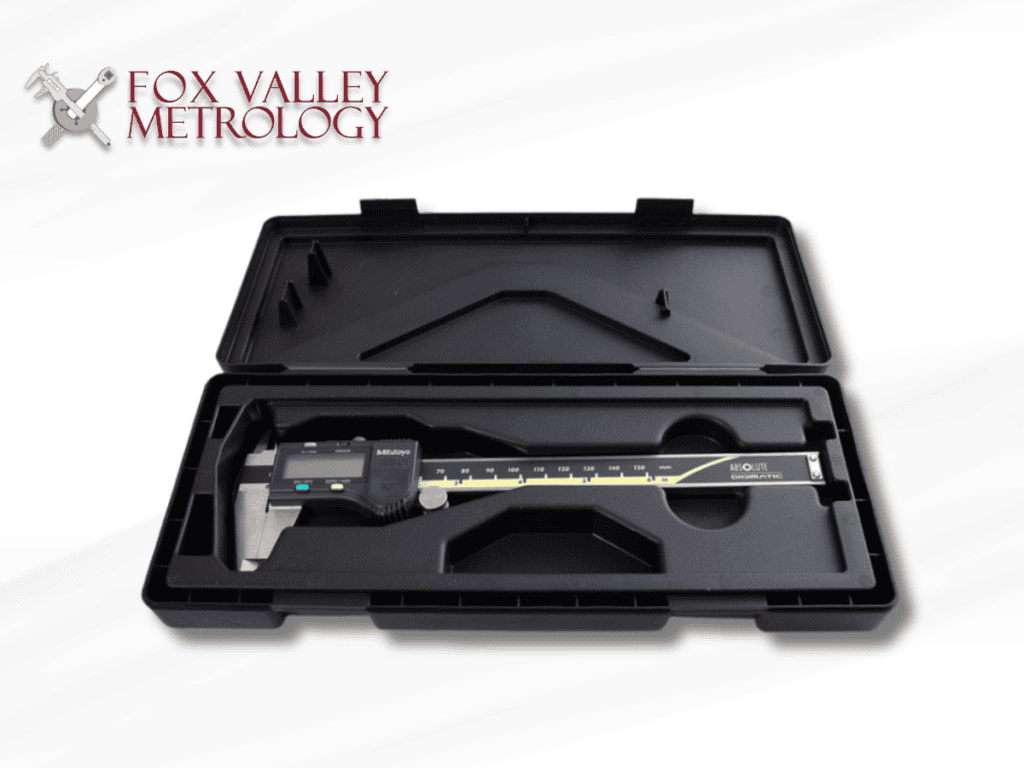
Having proper measuring techniques is only one part of the equation to ensure that you are making reliable and consistent measurements with your caliper. The other part of the equation is properly maintaining your caliper and taking care of it. Proper caliper maintenance is essential for preserving caliper accuracy, reliability, and long-term performance.
Routine care such as keeping the caliper clean from dust, dirt, and grime, lightly lubricating moving parts, verifying the zero point, calibrating the tool, and inspecting for wear on the caliper will help prevent measurement errors caused by dirt, corrosion, or damage. Storing the caliper in a protective case and following the caliper’s manufacturer’s maintenance recommendations will further protect the tool from unnecessary wear and damage that will affect your measurements.
With consistent upkeep, inspection, proper handling, calibration, and storage, your caliper will remain reliable and accurate year after year which will reduce costly mistakes while measuring and premature replacement of your caliper.
How Do I Calibrate A Caliper?
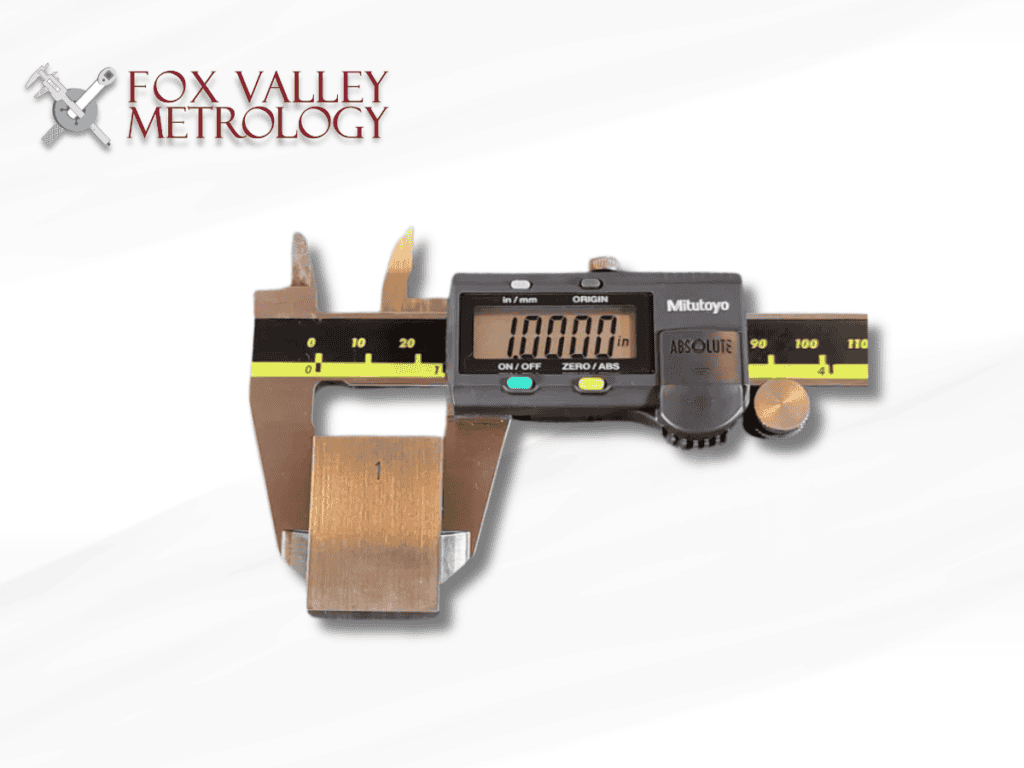
Calibrating your caliper is the process of verifying the accuracy of the measurements from your caliper against traceable standards under controlled environments.
Over time the accuracy of a caliper can drift due to factors such as wear, frequent use, temperature changes, and humidity which makes regular calibration essential for reliable and repeatable measurements, especially for industries that need to follow strict quality standards. Proper calibration requires careful preparation of both the tool and the environment that it is being calibrated in. The process of calibrating your caliper includes the use of a certified reference standard such as a set of gage blocks, multiple test points across the measuring range of the caliper, and clearly defined tolerances.
Calibration can be completed in house by one of your employees which has its advantages and disadvantages or it can be done by an ISO/IEC 17025 accredited calibration lab, like Fox Valley Metrology. Companies that follow quality standards and accreditation will need to have their calipers calibrated by an accredited lab. The reason for this is because accurate documentation, calibration labels, and records are critical for maintaining traceability, meeting quality standards, identifying tools that no longer meet those standards, and ensuring that you pass important audits.
When calibration is done correctly it protects your product quality, ensures compliance, meets your accreditation, and provides confidence in every measurement that you take.
What Is The Future Of Calipers?
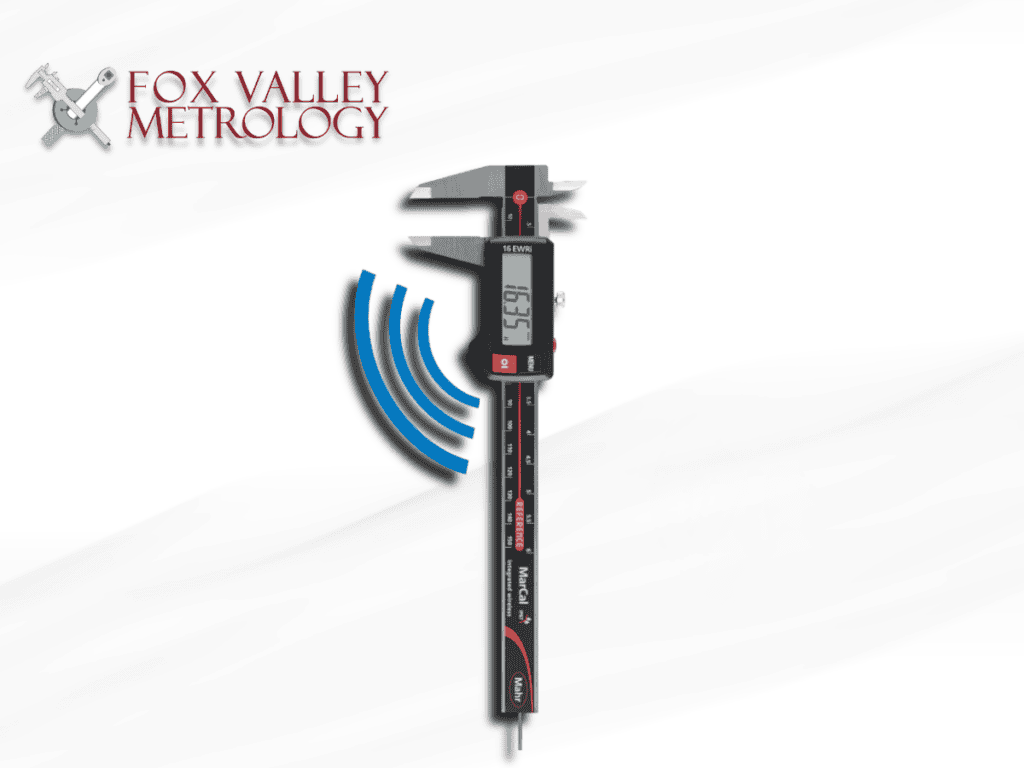
While the caliper is pretty much as straight forward as it gets for its design and intent, there is still a question of what the future holds for the design and features of a caliper.
The future of calipers is being shaped by advances in materials, accuracy, connectivity, and user-centered design. The next generation of calipers will feature stronger and lighter materials that will improve the resistance of the caliper in harsh conditions and better compensation for temperature-related measurement errors. Accuracy will also continue to improve in calipers through advanced sensors, tighter jaw alignment, and built-in self-diagnostics to maintain confidence in measurements. Smart connectivity, wireless data transfer, and cloud integration will transform the caliper into a data-driven, user-centered design made to streamline quality control and analysis.
No matter what the future holds for the caliper, one thing that we can be sure of is that they will remain an essential and reliable precision tool for years to come.
The Definitive Guide To Calipers
What’s Next: What Is The History Of The Caliper?
Ready to dive into the world of calipers? Let us begin by understanding where calipers began and that will answer the question: What is the History of the Caliper?
ISO/IEC 17025 Accredited Caliper Calibration
Fox Valley Metrology offers precise caliper calibration for any make or model. Our ISO/IEC 17025 accreditation guarantees testing to the highest industry standards. We offer fast, reliable in-lab or onsite calibration services to fit your needs and schedule.
- ✓ ISO/IEC 17025 accredited calibration vendor
- ✓ Broadest calibration scope in the industry
- ✓ 3-5 day turnaround time in-lab calibrations
- ✓ Pickup and delivery service options
- ✓ Onsite calibration available