


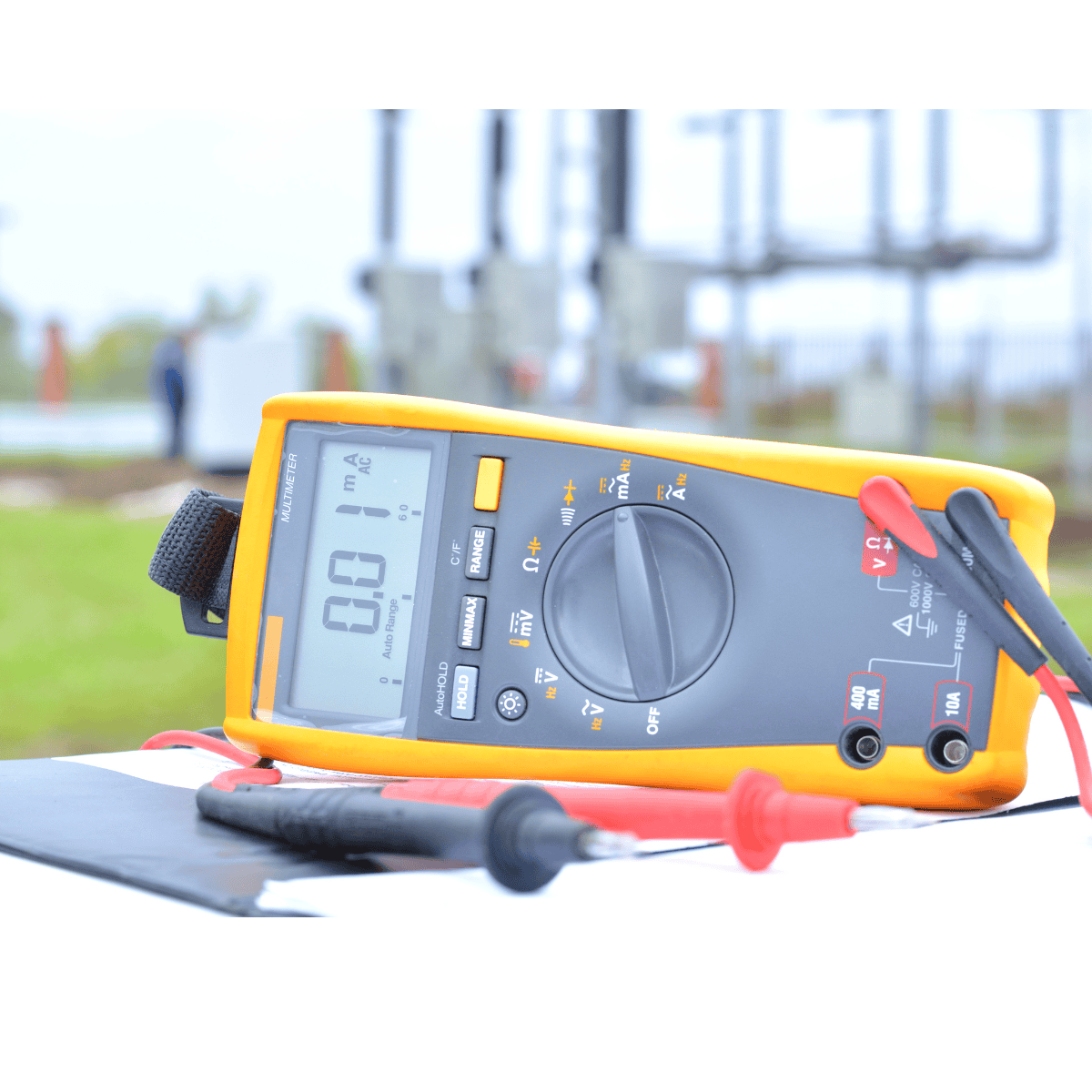
What Does A Multimeter Measure?

A multimeter measures common electrical measurements, most notably voltage (volts), current (amps), and resistance (ohms). Many multimeters add additional measurement capabilities such as capacitance and frequency.
Multimeters are essential tools used to measure a range of electrical parameters, providing insights into the behavior of electronic systems. They quantify values like voltage, current, resistance, capacitance, and frequency, offering a comprehensive understanding of circuit performance.
Because of this wide range of functionality contained in a singular device, these versatile instruments play a pivotal role in all areas of electronics. Rather than needing to carry three or more tools to get the job done, the multimeter can cover nearly all facets of basic electronics measurement.
This article discusses the numerous types of measurements the multimeter can perform.
In This Article:
- Basic Multimeter Measurements
- Advanced Multimeter Measurements
- Why These Measurements Matter Today
- Multimeter Measurement FAQs
This is the third article in our series, The Definitive Guide to Multimeters.
If you missed the last part of our of the series: The History of Multimeters, check it out now! You will be able to work your way back to this article quite quickly.
Basic Multimeter Measurements
Although multimeters can measure numerous electrical quantities, most of these quantities are on the more basic end of electrical measurement.
The most basic of those measurements revolve around Ohm’s Law. If you recall back to Physics class in high school, Ohm’s law dictates the relationship between the three building blocks of electricity, voltage, current and resistance.
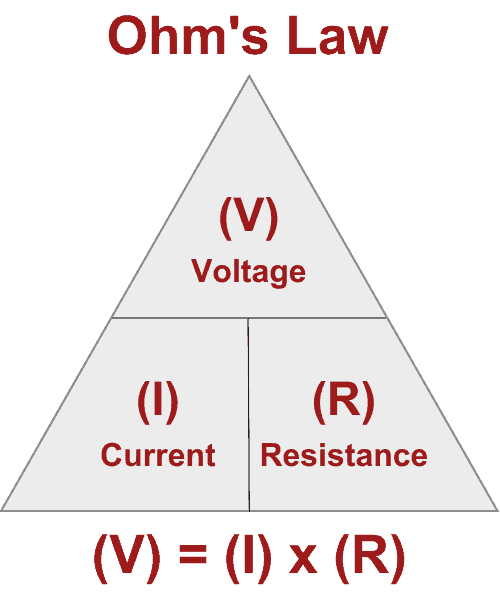
Essentially all multimeters are able to measure these core electrical parameters:
Voltage (V)
Multimeters can measure both direct (DC) voltage and alternating (AC) voltage. They are used to measure the voltage across a component or a circuit.
Current (A)
Multimeters can measure both DC current and AC current. They are used to measure the flow of electric current through a circuit or component.
Resistance (Ω)
Multimeters can measure resistance, which is the opposition to the flow of electric current. They are used to measure the resistance of resistors, conductors, or other components.
Although it doesn’t fit neatly into Ohm’s law, one more very common measurement most multimeters perform is continuity:
Continuity
Multimeters have a continuity function that checks whether there is a complete path for the electric current flow. It is used to determine if a circuit or connection is open or closed.
Continuity is really more of a functional test than a measurement, as it does not return an actual value. Most multimeters simply return an audible noise confirming the presence of a complete path.
Advanced Multimeter Measurements
Of course, over time, the drive to pack even more functionality into this universal testing device led to rapid advancement in what a multimeter can measure.
Many of these additional measurement parameters are commonplace on multimeters today:
Capacitance (F)
Some multimeters can measure capacitance, which is the ability of a component to store electrical charge. It is used to measure the capacitance of capacitors.
Frequency (Hz)
Advanced multimeters can measure the frequency of an alternating current signal. This is useful for analyzing signals in electronics or troubleshooting.
Temperature (°C Or °F)
Certain multimeters have a temperature measurement function, allowing them to measure temperature using a thermocouple or a temperature probe.
Diode Testing
Some multimeters have a diode testing function that checks the directional voltage drop of diodes and verifies their functionality.
Duty Cycle
This measurement is often used in digital circuits to determine the ratio of time a signal is high (ON) compared to the total time of one cycle.
True RMS
Provides accurate AC measurements for non-sinusoidal waveforms, vital for variable-speed drives or inverters.
Why Multimeter Measurements Matter Today
Multimeters’ versatility makes them indispensable across industries. In 2025, they’re used for:
- Residential: Testing smart home device circuits (e.g., 5V USB power).
- Automotive: Diagnosing EV battery management systems.
- Renewables: Measuring solar panel output (e.g., 48V DC).
- Electronics: Prototyping IoT sensors with precise frequency readings.
Since some of these measurements directly impact safety, product quality, and performance, maintaining the accuracy of the multimeter through calibration is essential for reliable results.
Case Study: An engineer uses a multimeter’s true-RMS function to troubleshoot a wind turbine’s inverter, ensuring accurate AC output for grid integration.
Resources: Learn more at Fluke Learning or IEEE standards (IEEE).
Conclusion
Multimeters measure voltage, current, resistance, and advanced parameters like capacitance and true-RMS, making them vital for 2025’s tech-driven projects. Whether you’re testing a smart home circuit or an EV battery, understanding these measurements empowers you to troubleshoot with confidence. Start with a basic model for DIY tasks or explore smart multimeters for professional applications.
Multimeter Measurement FAQs
Q1. Can a multimeter measure both AC and DC?
Yes, select the appropriate AC or DC setting for voltage or current measurements.
Q2. Is continuity testing safe?
Yes, but ensure the circuit is powered off to avoid damage.
Q3. Why use True-RMS?
Using a True-RMS multimeter ensure accurate readings for complex waveforms in modern electronics like inverters.
Q4. Can I measure temperature with any multimeter?
Only models with a thermocouple input can measure temperature, this is common in mid-range 2025 multimeters.
The Definitive Guide To Multimeters
What’s Next: What Is An Analog Multimeter?
Now that we know the common measurements a multimeter can make, let’s start diving into some of the most common types of multimeters.
In the next section, we will dive into the original type of multimeter: the Analog Multimeters (that we briefly discussed above). Let’s get started and head to Section 4: Analog Multimeters.
ISO/IEC 17025 Accredited Multimeter Calibration
Fox Valley Metrology offers precise multimeter calibration for any make or model. Our ISO/IEC 17025 accreditation guarantees testing to the highest industry standards. We offer fast, reliable in-lab or onsite calibration services to fit your needs and schedule.
- ✓ ISO/IEC 17025 accredited calibration vendor
- ✓ Broadest calibration scope in the industry
- ✓ 3-5 day turnaround time in-lab calibrations
- ✓ Pickup and delivery service options
- ✓ Onsite calibration available