


What Does A Caliper Measure?
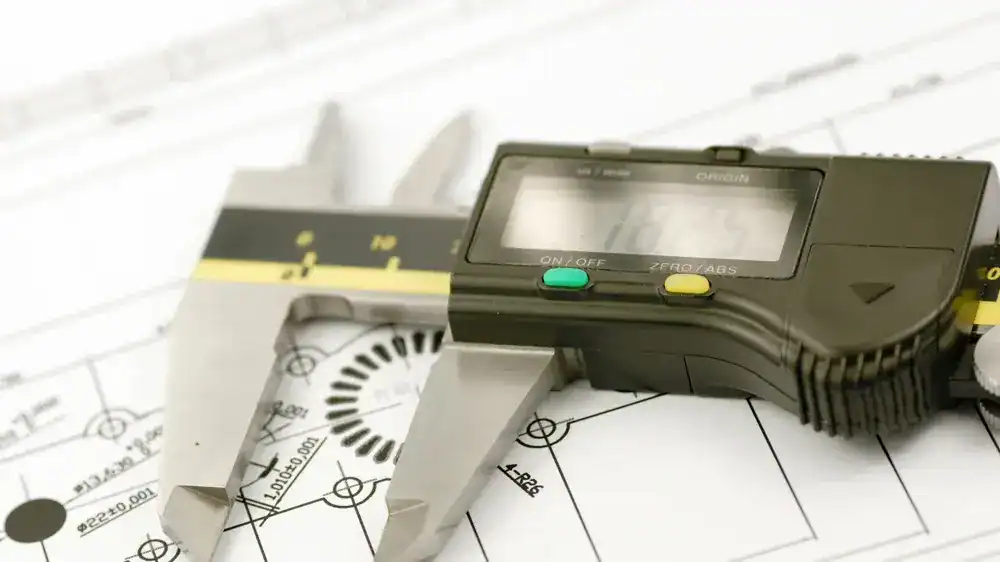
A caliper is a versatile precision instrument used to measure external and internal dimensions, depths, and step differences of a part. By using one instrument, users can verify outside sizes, internal features like holes and slot, the depth of an object, and the height difference between surfaces.
A caliper is one of the most essential dimensional measuring tools that is used to evaluate a wide range of physical features of a part. These tools are capable of measuring external and internal dimensions, depths, and height differences between surfaces.
Since a caliper has a broad range of functionality contained in a single instrument, it plays a pivotal role in nearly every manufacturing, machining, inspection, and quality controlled environment. The reason why they are so common is the ability to have one tool to check different features rather than having to switch between multiple measuring tools. This allows the user to perform common measurements quickly and consistently.
This article will discuss the numerous types of measurements a caliper can perform.
In This Article:
This is the third article in our series, The Definitive Guide to Calipers.
If you missed the last part of our of the series: The History of Calipers, check it out now!
Outside Measurement (External)
Outside measurements are the most frequent and common measurements that are performed with a caliper. Outside measurements are taken whenever the external size of the part needs to be verified which makes it a foundational measurement in various industries.
What is an Outside Measurement?
An outside measurement refers to any measurement that is taken across the external surface of an object. This type of measurement describes the overall size of a part by taking measurements of length, width, thickness, and outside diameter. These dimensions often determines whether a part will fit or function correctly which makes outside measurements among the most critical checks performed during inspection. In many cases, an outside measurement is used as an acceptance criteria. If an external dimension falls outside of its specified tolerance, that part may not assemble properly or could fail during use. Since these measurements often determine a pass or fail status, maintaining properly verified equipment through routine calibration is essential to ensure inspection results are both accurate and defensible.
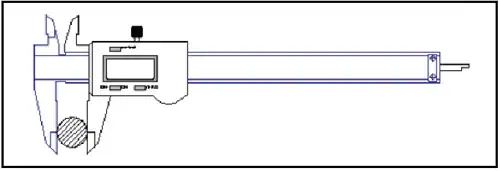
Common Outside Measurements
Outside measurements are commonly used in situations such as:
- Measuring the external diameter of shafts, pins, and rods
- Verifying the thickness of plates or flat components
- Checking the overall width or length of a part
Inside Measurement (Internal)
Taking an inside measurement shifts the focus from an external dimension to an internal dimension. An inside measurement plays a pivotal role in how parts fit together and function once they are being assembles.
What is an Inside Measurement?
An inside measurement captures the dimensions of internal features such as holes, slots, grooves, or cavities. Since these internal features are enclosed, their measurements must be verified carefully to ensure they meet the intent of the design. These inside measurements help confirm that the internal spaces are sized correctly for their intended purpose. A hole that is too small may prevent the assembly altogether, while a hole that is too larger can cause excessive vibration or uneven load distribution. That is why inside measurements play a major role to ensure that internal parts are fitting properly and accurately.
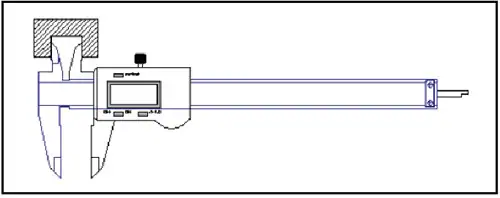
Common Inside Measurements
Inside measurement are commonly used when internal geometry plays a part during inspection of machine parts, casting, and fabricated components. Typical applications of an inside measurement include the following:
- Measuring hole or bore diameters
- Inspecting internal slots or channels
- Verifying internal clearances for linking components
Depth Measurement
A depth measurement adds a vertical dimension to the arsenal of the caliper. This measurement allows users to evaluate how far a features extends below a surface. Depth measurements is used when depth affects function, assembly, or structural integrity.
What is a Depth Measurement?
A depth measurement determines the distance from a reference surface down to the bottom of a features such as a hole, recess, slot, or counter bore. Unlike an outside or inside measurement that measures length or diameter, depth measurement describes how far a feature extends into a part. These measurements are important for features that have to accommodate fastener, pins, or other components that rely on a proper seating or engagement. Incorrect depth measurements can lead to functional problems even if every other dimension is within tolerance. A hole that is too shallow may prevent a fastener from seating fully while on the other hand excessive depth can weaken a part. A depth measurement ensures that features are not only present but that they are correctly positioned.
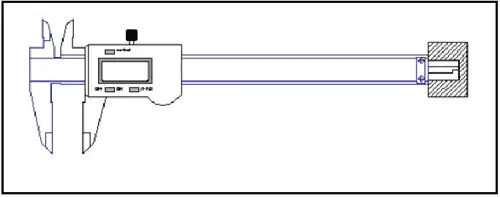
Common Depth Measurements
Like we mentioned before, depth measurements are widely used in machining and inspection to confirm vertical dimensions. Some common depth applications include:
- Determining drilled or machine parts
- Measurement recesses, grooves, and counter bores
- Verifying the feature depth relative to a surface
Step Measurement
Step measurements focus on the differences in height between surfaces and provides an insight into how a part transitions from one level to another. These measurements are especially useful what parts have complex or multi-level geometry.
What is a Step Measurement?
A step measurement is going to evaluate the vertical distance between two surfaces that are located at different heights. These surfaces are typically separated by a shoulder, ledge, or another stepped features. These measurements come in handy because instead of having to measure a single surface, a step measurement can compare two reference points that will then determine their relative position. The relative surface height plays a role in assembly assignment and load distribution. If a step is too tall or too short, it can affect how parts seat against one another which then can lead to misalignment or uneven stress. A step measurement ensures that the there are no small variations that would have an impact on performance and reliability on a feature.
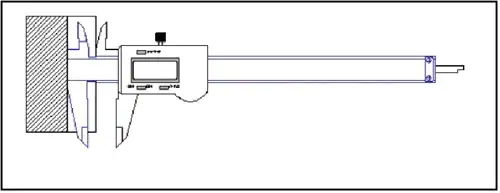
Common Step Measurements
Step measurements are typically taken when applying it to the following applications:
- Checking shoulder heights on turned or milled parts
- Verifying offset surfaces on stepped components
- Inspecting multi-level features
Conclusion
Your caliper is more than just a simple measuring device, it is a multi-functional tool that can provide you insight into nearly every critical dimension of a part. By gaining a strong understanding of the types of measurements a caliper can perform and what each measurement represents, you will be able to grow a stronger foundation for evaluating size, fit, and function. This awareness of what types of measurements a caliper can perform will better prepare you to use and read calipers accurately in your everyday applications.
Caliper Measurements FAQs
Q1. What types of measurements can a caliper perform?
A caliper can perform outside, inside, depth, and step measurements, which covers many common dimensional inspection needs.
Q2. Do calipers measure in both metric and imperial units?
Most modern calipers are capable of displaying measurements in both the metric and imperial units.
Q3. How do I know if my caliper is giving reliable measurements?
A caliper should be routinely checked against known reference standards, such as gage blocks. Regular calibration also ensures that the tool is performing within its specified accuracy.
Q4. When is a step measurement more effective than taking multiple separate measurements?
A step measurement is more effective when you are comparing two surfaces in a single action rather than measuring each surface individually.
The Definitive Guide To Calipers
What’s Next: What Are The Types Of Calipers?
Now that you have an understanding of what a caliper is capable of measuring, the next part of the equation is knowing the kinds of calipers that you can use to make these measurements.
In the next article, we will explore the different common types of calipers like the vernier, dial, and digital caliper. Let’s get started and head to Section 4: Types of Calipers.
ISO/IEC 17025 Accredited Caliper Calibration
Fox Valley Metrology offers precise caliper calibration for any make or model. Our ISO/IEC 17025 accreditation guarantees testing to the highest industry standards. We offer fast, reliable in-lab or onsite calibration services to fit your needs and schedule.
- ✓ ISO/IEC 17025 accredited calibration vendor
- ✓ Broadest calibration scope in the industry
- ✓ 3-5 day turnaround time in-lab calibrations
- ✓ Pickup and delivery service options
- ✓ Onsite calibration available