


What Is The History Of The Caliper?
The origins of the calipers date back all the way to ancient Egypt, Greece, and Rome, with early discoveries in cases such as the 6th century BC Giglio find. The caliper’s precision then advanced in the 1630s with Pierre Vernier’s scale and was even further advanced during the Industrial Revolution with durable steel designs. Fast forward to the 20th century and the rise of digital calipers revolutionized measurement with speed, accuracy, and ease of use.
Before we get into the meat and potatoes of what a caliper is and how to use it, it is important to know its origins.
Believe it or not, this tool has been around for thousands of years. From shipwreck discoveries in Greece to the modern cutting-edge technology that we have today, the history of the caliper is a journey of innovation, precision, and human curiosity.
This article will take you on a quick journey through history and see how the caliper became the precision measuring tool we all know today.
In This Article:
- Early use in Egypt, Greece, and Rome
- The Vernier Scale Invention and Industrial Age Refinement
- The Rise of Digital Calipers
- Caliper History FAQs
This is the second article in our series, The Definitive Guide to Calipers.
If you missed the first part of the series: What Is a Caliper?, check it out now!
Early Use In Egypt, Greece, And Rome
Believe it or not, the caliper has been a precision measuring tool that has been used dating back centuries. The earliest known calipers were used by ancient Egyptians, Greeks, and Romans to measure the thickness and widths of certain objects.
One of the first discoveries of the caliper was a wooden caliper dating back to the 6th century BC. Found near the Italian coast, in the shipwreck of the Greek Giglio, this caliper was an artifact that featured a movable jaw that closely resembles the design of the modern caliper that we are familiar with today.
As time progressed to the middle ages, so did the caliper. Craftsmen and artisans relied on the improved caliper, now made of metal, to measure the work with greater accuracy and precision than the early wooden versions could provide. This early use of the caliper led to the foundations for the current role that the caliper now has for precision craftsmanship and engineering.
The Vernier Scale Invention And Industrial Age Refinement
Fast forward to the 1630s when French mathematician Pierre Vernier introduced a crucial design for the caliper that allowed users to read measurements more precisely. If you are familiar with calipers or measurement in general, you would recognize Pierre’s last name right away. Vernier came up with the invention of the Vernier Scale, a visual aid to take accurate measurement readings, and became a cornerstone for measurements and is still used on calipers today.
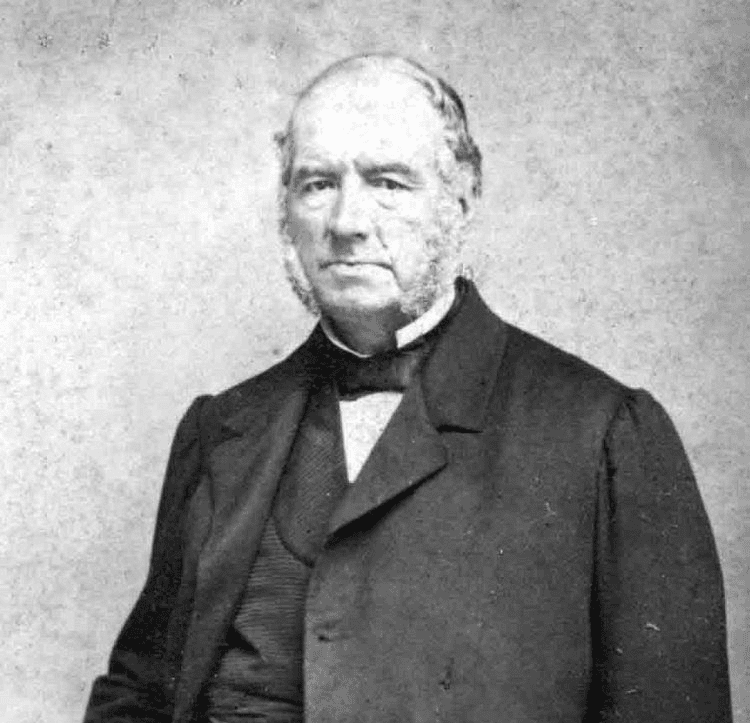
The Industrial Revolution brought about change that demanded manufacturing to use more reliable measurement tools. Calipers were produced using steel and became the standard to offer higher durability and repeatability. These manufacturing companies and other industrial components depend on these calipers to ensure quality and consistency that drove innovation forward.
As manufacturing tolerances became tighter during The Industrial Revolution, the need for standardized verification practices emerges as well and this practice continues today through professional and accredited caliper calibration services to maintain accuracy and repeatability across industries.
Rise Of Digital Calipers And Modern Innovation
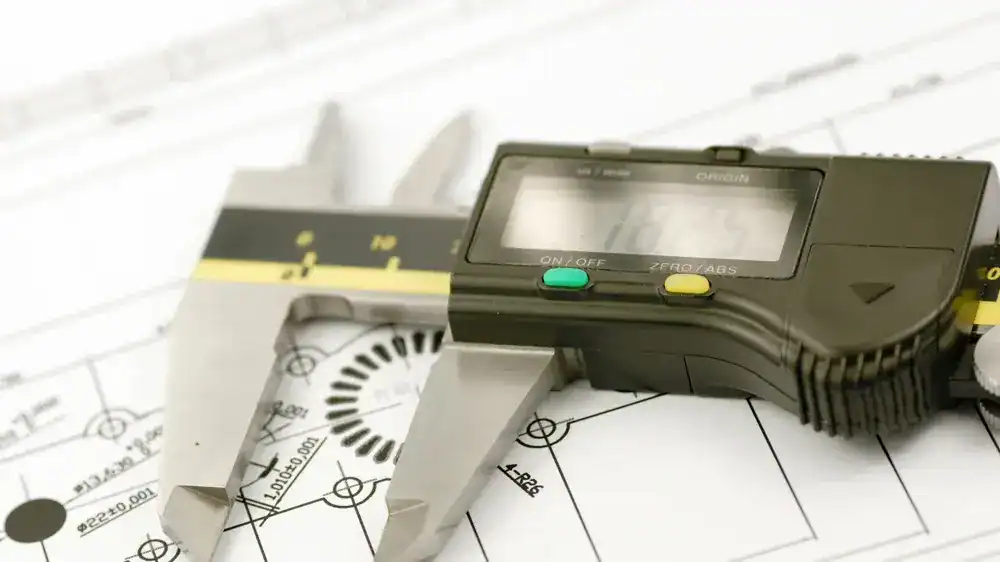
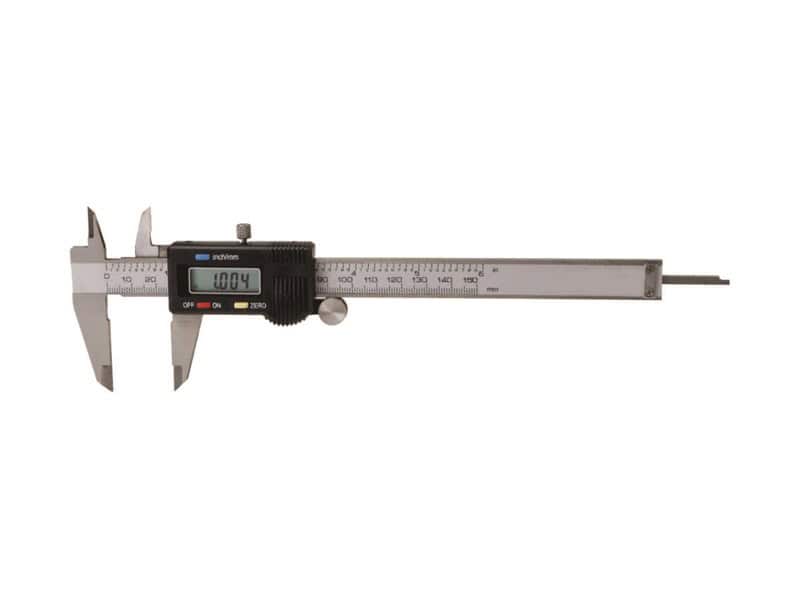
The 20th century brought about a big development of what we see on almost every caliper today: the digital caliper. Instead of having to manually read a scale and risking incorrect readings, users can now see the readings of the measurement instantly on a digital display. The use of digital calipers reduced reading errors, increased accuracy, and made measurements quicker than ever before.
The digital caliper is the dominant caliper that is used today in industries from manufacturing to research labs. Their ease of use and accuracy have proved themselves reliable as an essential tool for professionals and hobbyists alike. The classic vernier and dial calipers are still widely used and respected today, but the digital caliper is the commonly preferred choice by anyone who needs to utilize a caliper for their measurements.
Conclusion
From simple wooden tools that were found on a shipwreck, to high-tech digital instruments that give you measurement instantly, calipers have stood the test of time as one of the most important measurement tools ever created. The evolution of the caliper goes hand and hand with the drive for precision and innovation and will continue being used for centuries to come.
Caliper History FAQs
Q1. When were calipers first invented?
The earliest known invention of the caliper dates back to the 6th century BC, found in the Greek Giglio shipwreck.
Q2. Who invented the Vernier Scale?
Pierre Vernier, a French mathematician, introduced the vernier scale in the 1630s.
Q3. Are vernier calipers stilled used today?
Yes. Despite the modern use of digital calipers, vernier calipers are still used and values for their durability, affordability, and precision.
Q4. When did digital calipers become popular?
Digital calipers gained widespread use in the late 20th century electronics advanced and costs and materials became more accessible.
The Definitive Guide To Calipers
What’s Next: What Does A Caliper Measure?
Now that you know how calipers have evolved over time to what we know them as today, let us dive into the heart and soul of the caliper.
In the next section, we will explore what measurements a caliper is capable of taking. Let’s get started and head to Section 3: What Does A Caliper Measure?
ISO/IEC 17025 Accredited Caliper Calibration
Fox Valley Metrology offers precise caliper calibration for any make or model. Our ISO/IEC 17025 accreditation guarantees testing to the highest industry standards. We offer fast, reliable in-lab or onsite calibration services to fit your needs and schedule.
- ✓ ISO/IEC 17025 accredited calibration vendor
- ✓ Broadest calibration scope in the industry
- ✓ 3-5 day turnaround time in-lab calibrations
- ✓ Pickup and delivery service options
- ✓ Onsite calibration available