


What Is The Future Of The Multimeter?
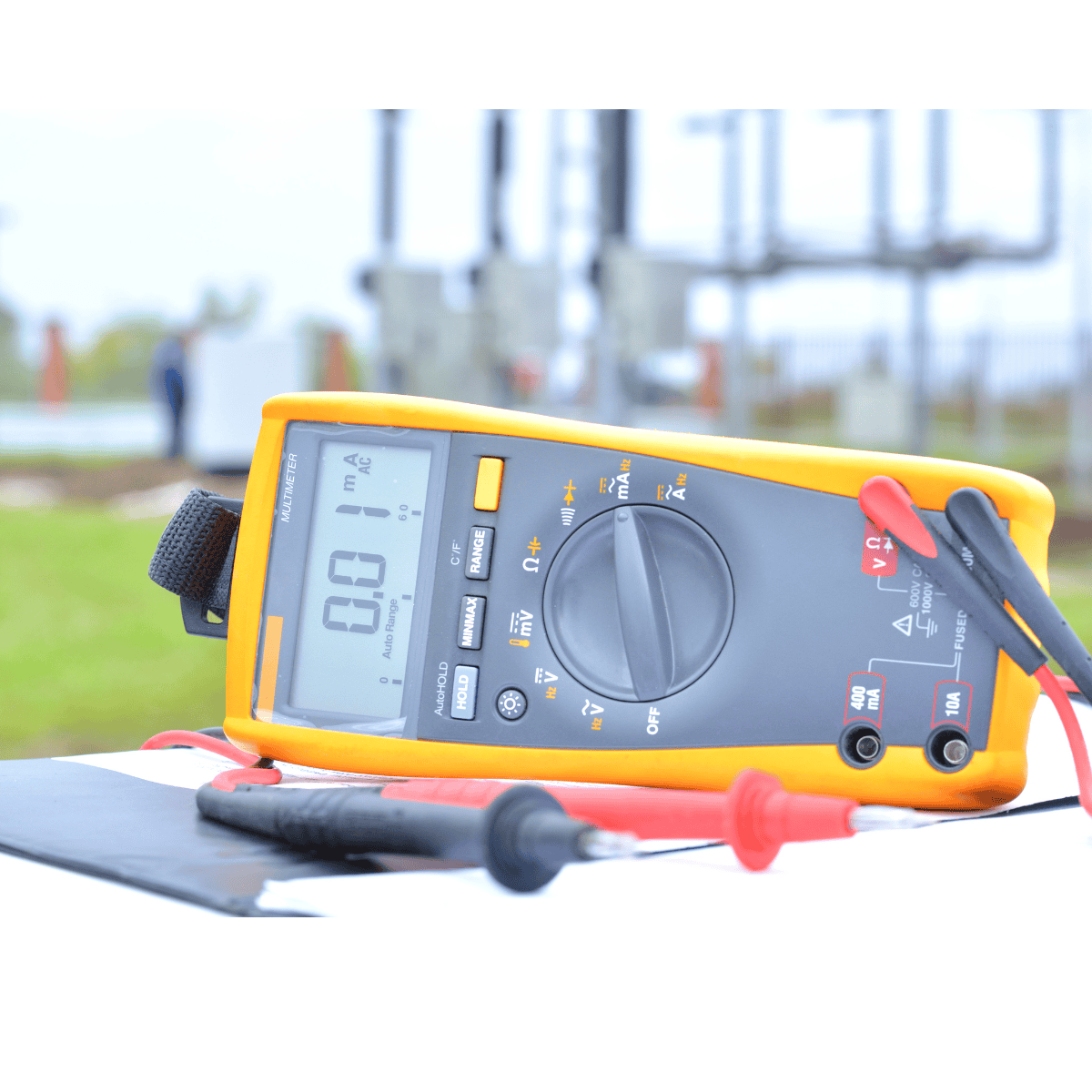
The future of the multimeter will be more connected, intelligent, and more precise. Advancements will include the introduction of smart multimeters with wireless and cloud integration, AI-Driven diagnostics and predictive insights. Enhanced touchscreens, voice controls, data logging, and integration into a larger tool ecosystem will transom the multimeter from a simple measuring device into a comprehensive, connected diagnostic tool.
It is safe to assume that the future of multimeters will follow the same trends we are seeing overall in measurement. As fast as multimeters have advanced in the past century, its intriguing to consider where they may go from here.
This article delves into some possible future advancements to multimeters. Of course, we are just guessing. But the overall trends in all measurement disciplines should apply to this wildly common device.
In This Article:
- Smart Multimeters
- Artificial Intelligence in Multimeters
- Advancements in Multimeter Accuracy and Precision
- Integration of Advanced Features
- Non-Contact Measurement
- Wireless Connectivity and Cloud Integration
- Enhanced User Interfaces and Usability
- Multimeter Ecosystems
- Multimeter Future FAQs
This is the sixteenth and final article in our series, The Definitive Guide to Multimeters.
If you missed the last part of the series: Multimeter Calibration, check it out now! You will be able to work your way back to this article quite quickly.
Smart Multimeters
With the rise of the Internet of Things (IoT) and the increasing need for connected devices, smart multimeters have become a game-changer in the field. These clever devices use wireless connections and advanced sensors to boost their features, giving users loads of real-time data and analysis.
By integrating with smartphones, tablets, or computers, smart multimeters offer a seamless user experience, enabling users to monitor and control measurements remotely. Additionally, they often come equipped with companion apps that provide valuable insights, trends, and even predictive maintenance recommendations.
Artificial Intelligence (AI) In Multimeters
It is hard to read anything or watch the news these days without the discussion of how Artificial Intelligence (AI) is impacting the world as we know it. It is very safe to assume that this trend will carry into the multimeter world also.
AI-capable multimeters will likely be able to reference previous measurements and be able to adjust their processes to become even more efficient.
Also, it is likely to provide predictive suggestions about the circuit you are testing itself. They may even be able to provide you with percent likelihoods that a particular circuit would fail in the future.
Advancements In Multimeter Accuracy And Precision
Accuracy and precision are super important for electrical measurements. In the past, multimeters gave us reliable results, but thanks to technology improvements, accuracy is reaching new levels. Manufacturers are using top-notch components and calibration methods to ensure the highest level of precision.
Additionally, digital signal processing algorithms and sophisticated software algorithms are being employed to eliminate errors caused by noise, temperature variations, and other environmental factors. These advancements are paving the way for even more precise measurements, enabling engineers to push the boundaries of their designs.
As measurement performance continues to improve, the need to maintain a higher level of precision will require a more rigorous verification and traceable calibration to ensure the multimeter remains aligned with the evolving industry standards.
Integration Of Advanced Features In Multimeters
Manufacturers are also looking to integrate a wide array of advanced features.
For instance, some multimeters now incorporate thermal imaging technology, allowing users to identify hotspots and potential issues in electrical systems quickly. This feature proves invaluable in preventive maintenance, as it helps detect anomalies that could lead to failures or safety hazards.
Furthermore, multimeters are incorporating data logging capabilities, enabling users to capture and analyze measurements over extended periods. This facilitates in-depth analysis, trend identification, and the ability to generate comprehensive reports for further assessment or sharing.
Non-Contact Measurement For Multimeters
In an effort to reduce time spent measuring and increase safety, there has already been a trend starting towards non-contact measurement in electrical measurement. As the name implies, this will eliminate the need to physically touch the live circuits. In fact, Fluke has already introduced the beginning of this technology with their FieldSense technology.
Multimeter Wireless Connectivity And Cloud Integration
The future of multimeters is intrinsically linked to wireless connectivity and cloud integration. Many multimeters already have this offering, but it is safe to assume this trend will continue.
By incorporating wireless communication modules such as Wi-Fi or Bluetooth, multimeters can seamlessly transmit measurement data to cloud-based platforms or mobile devices. This enables real-time monitoring, data storage, and collaborative troubleshooting, empowering teams to work together efficiently, regardless of their physical locations.
Moreover, cloud integration opens avenues for advanced analytics, machine learning algorithms, and big data analysis, leading to improved diagnostics and predictive maintenance capabilities.
Enhanced Multimeter Interfaces And Usability
As is the trend in nearly all tech devices, manufacturers are investing in the development of enhanced user interfaces.
Touchscreens, intuitive navigation menus, and interactive graphical displays are becoming commonplace, providing users with a more immersive and streamlined experience.
Additionally, the integration of voice commands and natural language processing further simplifies operation, allowing users to interact with the multimeter through spoken instructions.
These advancements in user interfaces ensure that multimeters are accessible to both seasoned professionals and newcomers in the field, democratizing the world of electrical measurements.
Multimeter Ecosystems
Looking ahead, the future of multimeters lies in the creation of comprehensive ecosystems.
Rather than standalone devices, multimeters will form part of a larger interconnected network of tools and devices.
This ecosystem will allow seamless integration with other equipment, such as oscilloscopes, power analyzers, and data loggers, enabling holistic analysis and measurement of complex electrical.
Conclusion
As technology continues to evolve, so will the capabilities of multimeters. From AI integration and wireless connectivity to smarter interfaces and predictive insights, the next generation of multimeters will do more than just measure. Instead, they will help users make faster, safer, and more informed decisions. The future of electrical testing is connected, intelligent, and more precise than ever before.
Multimeter Future FAQs
Q1. What are smart multimeters?
Smart multimeters are IoT enabled devices with wireless connectivity for remote monitoring and app-based analysis.
Q2. How will AI improve using multimeters?
AI will improve using multimeters by auto-diagnosing faults, predicting circuit failures, and overall enhancing efficiency.
Q3. Are non-contact multimeters safe?
Yes, non-contact multimeters reduce shock risks by avoiding live circuit contact.
Q4. Will multimeters become easier to use in the future?
With the increase in touchscreen, voice commands, and AR interfaces, multimeters will become easier to use for all users in the future.
What’s Next: The Definitive Guide To Multimeters
You’ve made it! If you have been following through each of the sections, you now know everything there is to know about multimeters. Okay, maybe there is always a bit more that can be learned, but you have certainly gained more knowledge than all but maybe 1% of the population!
If you haven’t been through the whole series, check out the start of our series: What Is a Multimeter: The Definitive Guide to Multimeters. You won’t regret the knowledge you gain on this awesome instrument.
ISO/IEC 17025 Accredited Multimeter Calibration
Fox Valley Metrology offers precise multimeter calibration for any make or model. Our ISO/IEC 17025 accreditation guarantees testing to the highest industry standards. We offer fast, reliable in-lab or onsite calibration services to fit your needs and schedule.
- ✓ ISO/IEC 17025 accredited calibration vendor
- ✓ Broadest calibration scope in the industry
- ✓ 3-5 day turnaround time in-lab calibrations
- ✓ Pickup and delivery service options
- ✓ Onsite calibration available