


How Do I Properly Maintain A Caliper?
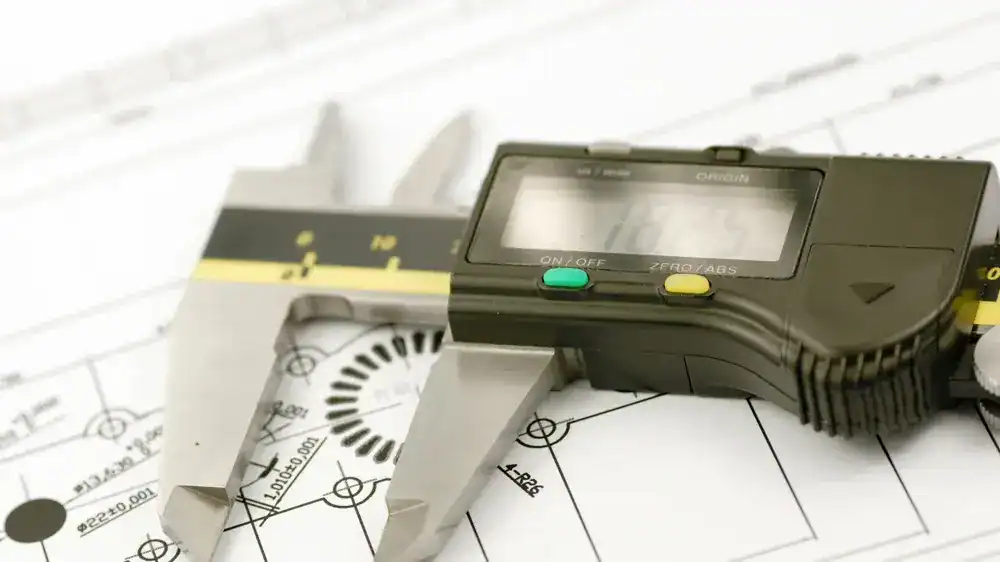
Proper caliper maintenance focuses on keeping the tool clean, lightly lubricated, and protected from damage. Wipe down the jaws, beam, and sliding surfaces before and after use, apply a small amount of light oil to prevent rust and ensure smooth movement, and regularly check that the caliper zeros correctly. Inspect for wear or damage and store the caliper in a protective case in a clean, dry environment to preserve accuracy and extend its lifespan.
The caliper is one of the most versatile and useful precision measuring tools in a handful of industries. Like any precision instrument, their accuracy and lifespan is going to depend on how well they are maintained. Things like dust, wear, and improper storage will start to give even the most precise calipers inconsistent readings if left untreated. With just a little routine care, maintenance, and proper storage, your caliper can keep performing like new for years to come.
This article will provide essential tips for maintaining your caliper that it continues to have the accuracy it needs long-term.
In This Article:
- Keeping the Caliper Clean
- Keeping the Caliper Lubricated
- Adjusting the Caliper’s Zero Point
- Checking for Wear and Tear
- Storing the Caliper in a Safe Place
- Following Manufacturer’s Instructions
- Caliper Maintenance Tips FAQs
This is the twelfth article in our series, The Definitive Guide to Calipers.
If you missed the last part of the series: Common Uses and Applications of a Caliper, check it out now!
Keeping The Caliper Clean
Before and after using your caliper, wipe down the jaws, beam, and sliding surfaces with a clean, dry, lint-free cloth or using kimwipes. The smallest particles of dirt, grease, or grime can affect your measurements and how the caliper operates. If there is residue on the caliper that is hard to get off, apply a small amount of isopropyl alcohol on a clean cloth and gently clean the spot. Always make sure to avoid using hard cleaners that can damage the instrument.
Keeping The Caliper Lubricated
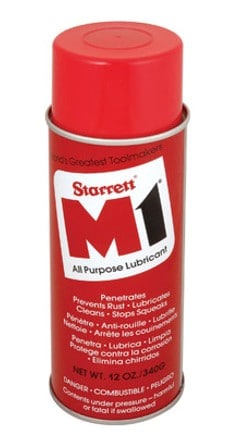
Applying a thin layer of oil to the slide and jaws of the caliper can help prevent rust and keep the movement of the caliper nice and smooth while taking measurements. Add a drop or two of light machine oil, like M1 lubricant, and spreading it out evenly with a cloth is all you need. Overdoing it can cause dust and debris to stick to the caliper.
Adjusting The Caliper’s Zero Point
Regularly check your caliper’s zero point and that it reads “0.00” when the jaws are fully close to ensure accurate measurements. If the zero point is off you can adjust it by using the adjustment screws or knobs depending on the type of caliper that you are using.
Checking For Wear And Tear
Over time, your caliper can develop issues such as bent jaws, loose dials, or worn sides. The most common wear points on a caliper are the jaws and the slider. Make it a habit by regularly inspecting your caliper for signs of wear and tear. One simply way to inspect the jaws of your caliper is to close the jaws, hold it up to a light, and you should not see any light between the jaws. If you do, they may be worn or nicked. These problems can affect your measurements unless you are thoroughly inspecting your caliper for damages. If you notice any issues, have the caliper repaired or replaced as needed.
Storing The Caliper In A Safe Place
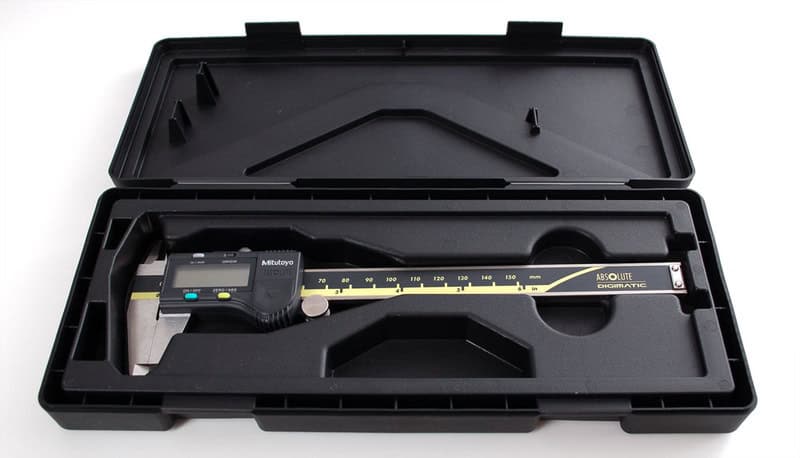
When you are not using your caliper, make sure to store it in a protective case. Most calipers come with a fitted case, it comes with it for a reason – use it! This will shield the tool from dust, accidental drops, and moisture which can damage your tool. Avoid leaving your caliper out on a workbench where it can be exposed to dust, dirt, and being dropped. Your caliper should be stored in a safe and dry area to prevent any damage to your tool.
Following Manufacturer’s Instructions
At the end of the day, every caliper is different so make sure to always read and follow the manufacturer’s instructions for your specific caliper to ensure proper usage, maintenance, storage, calibration intervals and care.
It’s important to keep your caliper in good working condition to ensure accurate measurements. Regular cleaning and lubrication will help to extend the life of your caliper and keep it in good working order. If you notice any issues or problems with your caliper, you should have it serviced or repaired as soon as possible.
Conclusion
The best way to not only have reliable readings but to save you from costly mistakes and spending money on new instruments is to simply take good care of your caliper. By maintaining your caliper by keeping it clean, lightly lubricating, properly storing, and routinely inspecting it, you can increase the lifetime of your tool and reward you with accurate and consistent measurements.
Caliper Maintenance Tips FAQs
Q1. How often should I lubricate my caliper?
A light application of oil on the side and jaws of the caliper every few weeks will do the trick. Always remember to wipe off any excess oil.
Q2. Can I store my caliper in a toolbox?
Yes, but make sure that it is in a protective case to avoid dust, dirt, moisture, and accidental damage to the tool. Do not just put the caliper in the toolbox without a case.
Q3. When should I consider replacing my caliper instead of repairing it?
If the jaws on your caliper are severely bent, the side is severely worn out, or your caliper does not stay within tolerance, it is probably time to purchase a new caliper.
Q4. Do digital calipers require additional maintenance?
Yes, digital calipers do require a little bit of additional maintenance along with the standard care. Make sure to keep the battery departmenet clean and replace the batteries as needed.
The Definitive Guide To Calipers
What’s Next: How Do I Calibrate A Caliper?
Now that we have covered how to care and maintain your calipers, the next step will ensure that they remain accurate through calibration.
In this next article, we will go through on why calibrating your caliper matters, how often it should be done, and when to calibrate your caliper. Let’s get started and head to Section 13: Caliper Calibration.
ISO/IEC 17025 Accredited Caliper Calibration
Fox Valley Metrology offers precise caliper calibration for any make or model. Our ISO/IEC 17025 accreditation guarantees testing to the highest industry standards. We offer fast, reliable in-lab or onsite calibration services to fit your needs and schedule.
- ✓ ISO/IEC 17025 accredited calibration vendor
- ✓ Broadest calibration scope in the industry
- ✓ 3-5 day turnaround time in-lab calibrations
- ✓ Pickup and delivery service options
- ✓ Onsite calibration available