


What Are The Different Caliper Sizes?
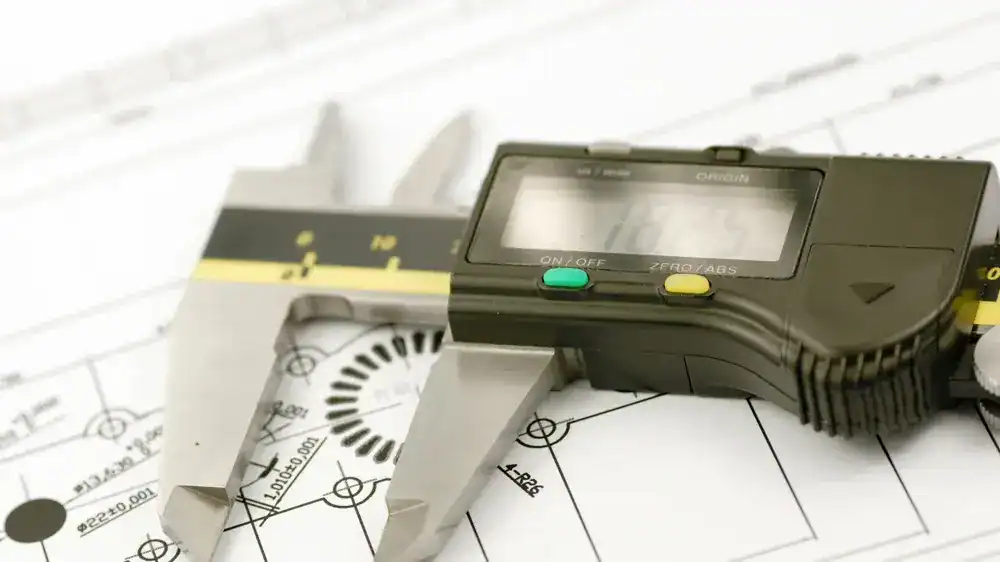
Calipers come in a variety of sizes, but the most common sizes is the 0-6” model. Calipers also come in a 0-8″ size, a 0-12″ size and even massive industrial models that can measure up to several feet. Smaller calipers are going to be used for more precise measurements and everyday use where the larger size calipers are going to be suited for industrial applications to measure larger parts. Your choice of calipers will ultimately come down to the accuracy you need for the type of work you will be doing.
Calipers may all look similar at a first glance, but one of the biggest differences between them is going to be the size of the caliper.
The size of the caliper is going to determine many different factors. It can determine the maximum measurement range it can handle, the ease of use, the precision of measurements, and the practicality of the caliper. Whether you are doing house work or working on industrial machinery, picking the right size caliper is going to be key.
This article will go into the different sizes of calipers and how to chose the right one for you measurement needs.
In This Article:
- Standard Caliper Sizes
- Pros and Cons of Different Measuring Ranges
- Practical Considerations
- Caliper Sizes FAQs
This is the fifth article in our series, The Definitive Guide to Calipers.
If you missed the last part of the series: Types of Calipers, check it out now!
Standard Caliper Sizes
Caliper sizes are typically defined by the measurement range they are capable of handling. All functions of a caliper (outside diameter, inside diameter and depth) all utilize the same scale and range, so the range stated for a specific caliper would be applicable to all aspects of that caliper. The most common sizes of a caliper measuring device are:
- 0-6 inches (or 0-150mm)
- 0-8 inches (or 0-200mm)
- 0-12 inches (or 0-300mm)
- 0-24 inches (or 0-600mm)
Since most dimensions of manufactured parts are under 6 inches, the most common size is 0-6 inches (or 0-150 mm). This size is a perfect balance of handling a wide range of applications while not being too large to handle and use on a regular basis.
Pros And Cons Of Different Ranges
There technically is no upper limit to the range of a caliper, however practicality comes into play. Each caliper size is going to come with its strengths and drawbacks. Choosing the right one is going to depend on your balance between precision, convenience, and measurement needs.
Small Calipers (0-6 in)
Pros of Small Calipers
Smaller calipers are going to be lightweight, easy to handle and most importantly be very precise. They are also going to be the most affordable and easy to buy.
Cons of Small Calipers
The biggest drawback of smaller calipers is that they are very limited in range. If you are going to be working with larger parts, a 6 inch caliper will obviously not cut it.
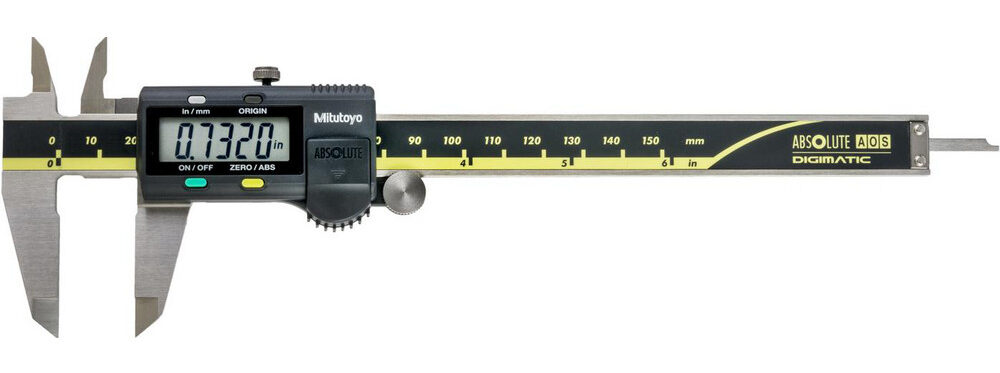
Medium Calipers (0-8in) or (0-12in)
Pros of Medium Calipers
The medium sized calipers are going to be your sweet spot between smaller calipers and their counterpart larger calipers. They will be able to measure both small and mid-sized objects which will make them useful for a wider range of applications all while being precise the majority of the time.
Cons of Medium Calipers
These calipers are going to be bulkier than 6in calipers and will require a better touch of hand to get precise readings.
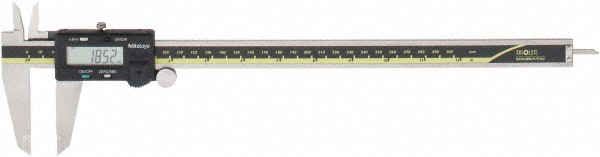
Large Calipers (24in and up)
Pros of Large Calipers
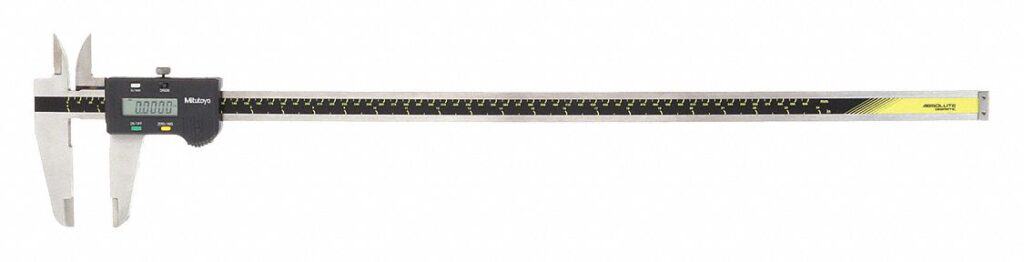
Large calipers are going to be found most commonly in the industrial setting where oversized parts need measurement. They are going to be much more reliable in measuring large pieces of equipment that small and medium calipers can just not handle.
Cons of Large Calipers
The biggest disadvantage of large calipers is that they are heavy, hard to store, and are much more expensive. These types of calipers also tend to be less precise and user-friendly due to their size and weight.
To sum things up, the smaller the caliper the more precise and user-friendly it tends to be. The further you move up the ladder, the more difficult the caliper will be able to use. However, there will be applications that will require you to use larger calipers.
Practical Considerations
You are probably wondering how you know what caliper size you really need? When selecting the appropriate size of caliper, you should consider the following factors:
The Range of Measurements
Choose a caliper that has a measurement range that will cover the majority of the measurements that you will need to take.
The Precision You Require
If you need to take precise measurements, you may need a caliper with a smaller measurement range and with higher level of precision. The larger the caliper, the less precise it typically will be. Regardless of the size of the caliper you choose, routine calibration will ensure that the caliper will deliver the level of accuracy and precision your application demands.
The Type of Work You Will be Doing
If you are measuring large or bulky objects, you may need a larger caliper than if you are measuring small or delicate objects.
The Space You Have Available
Consider the space you have available on your floor to store and transport the caliper. Obviously, the larger the caliper, the more space it will take up. Who would’ve thought?!
The Budget You Have
A general rule of thumb to consider when buying a caliper is the larger the caliper, the higher the cost will be.
Ultimately, the size of caliper you need will depend on your specific requirements and the type of work you will be doing. It may be helpful to consult with an expert in the field or to try different sizes of calipers to determine which one is the best fit for your needs.
Conclusion
The caliper is going to come in a wide range of sizes, from the compact and precise 0-6 inch to the giant industrial size that can stretch several feet. If you are still uncertain about what type of caliper to select, just remember that the right choice is going to depend on what you are measuring, how precise your measurements need to be, and how practical the tool will be in your workspace.
Caliper Sizes FAQs
Q1. What is the most common caliper size?
The most common size of caliper is 0-6″. Many manufactureres have multiple calipers of this size on their work floor.
Q2. Are larger calipers less accurate?
Typically, yes. The larger the caliper, the harder it is going to be handling which can result in small errors that can throw off your measurements.
Q3. Do I need more than one caliper size?
Most beginners can get away with just having a 0-6″ caliper in their arsenal, but professionals will often keep multiple sizes for different applications.
Q4. How big can a caliper get?
There is technically no limit on the size of a caliper, if you would like to make a 6ft caliper, go for it! Just keep in mind, the larger the caliper you get, the harder it will be to keep your measurements accurate.
The Definitive Guide To Calipers
What’s Next: What Is The Anatomy Of A Caliper?
Now that you are familiar with the different sizes of calipers, we can take a closer look into what makes up a caliper.
In the next post, we will be exploring all of the parts of a caliper such as the jaws, scales, and other parts. Let’s get started and head to Section 6: The Anatomy of a Caliper.
ISO/IEC 17025 Accredited Caliper Calibration
Fox Valley Metrology offers precise caliper calibration for any make or model. Our ISO/IEC 17025 accreditation guarantees testing to the highest industry standards. We offer fast, reliable in-lab or onsite calibration services to fit your needs and schedule.
- ✓ ISO/IEC 17025 accredited calibration vendor
- ✓ Broadest calibration scope in the industry
- ✓ 3-5 day turnaround time in-lab calibrations
- ✓ Pickup and delivery service options
- ✓ Onsite calibration available